The Real Price Tag of Becoming a Technician
You have decided to join the HVAC trade. It is a smart move—job security is high, and six-figure salaries are common for experienced techs. But before you can start cashing those checks, you have to invest in your education.
The first question every student asks is: How much is HVAC school?
The answer isn’t a single number. It depends heavily on whether you choose a 9-month certificate program, a 2-year college degree, or a union apprenticeship. Prices can range from 0(Apprenticeship)∗∗toover∗∗0(Apprenticeship)∗∗toover∗∗20,000 (Private Technical Institute).
If that number scares you, don’t worry. In 2026, there are more HVAC scholarships and grants available than ever before. The industry is desperate for talent, and organizations are willing to pay for your training.
In this guide, we will break down the true cost of getting certified, reveal the hidden fees schools don’t tell you about, and show you how to find “free money” to lower your tuition.
📊 Is It Worth the Investment?
Before you spend thousands on tuition, make sure you have the aptitude for the trade. Take our free assessment.
How Much is HVAC School? (The 3 Paths)
The cost of your education is directly tied to the type of program you choose. Here is the 2026 breakdown:
1. Certificate Programs (Trade Schools)
- Average Cost: $12,000 – $22,000
- Time: 6 to 10 months
- Verdict: This is the most expensive route upfront, but it gets you into the workforce fastest. You pay a premium for speed.
2. Community College (Associate Degree)
- Average Cost: $4,000 – $10,000 (In-State)
- Time: 2 Years
- Verdict: The most balanced option. It is significantly cheaper than private trade schools and gives you a college degree, but it takes longer to graduate.
3. Apprenticeship (Union/Non-Union)
- Average Cost: $0 – $2,000 (Mostly for tools/books)
- Time: 3 to 5 Years
- Verdict: This is the “Zero Debt” option. In fact, you are paid to learn. However, it is highly competitive to get accepted.
Related Guide: HVAC Apprentice Jobs Guide: How to Get Hired
The Hidden Costs You Didn’t Plan For
When you ask “how much is hvac school,” the admissions office usually just quotes tuition. They often leave out the “extras” that you need to actually finish the program.

Budget for these additional expenses:
- Textbooks: $300 – $800. Specialized HVAC manuals are expensive.
- Tools: $500 – $1,000. Most schools require you to buy your own starter kit (multimeter, gauges, hand tools).
- Check out our <a href=”https://hvacexammaster.com/essential-hvac-tools-list/”>Essential Tool List</a> to buy only what you need.
- Exam Fees: $100 – $300. You will need to pay for your EPA 608 and potentially your NATE Core exam.
- Boots & PPE: $150 – $200. You cannot walk into the lab without steel-toe boots.
Top HVAC Scholarships for 2026 (Free Money)
You don’t have to pay full price. Millions of dollars in trade school scholarships go unclaimed every year simply because students don’t apply.
Here are the top programs you should target right now:
1. The mikeroweWORKS Foundation
Founded by Mike Rowe (from Dirty Jobs), this “Work Ethic Scholarship” is massive. They give away millions to students willing to learn a skilled trade.
- Apply Here: mikeroweWORKS
2. ASHRAE Scholarships
The American Society of Heating, Refrigerating and Air-Conditioning Engineers (ASHRAE) offers scholarships specifically for engineering and technology students.
- Apply Here: ASHRAE Student Zone
3. Women in HVACR
If you are female, this organization provides scholarships to encourage diversity in the industry.
- Apply Here: Women in HVACR
4. The Clifford H. “Ted” Rees, Jr. Scholarship
Provided by the AHRI, this is specifically for veterans and qualified students in HVACR programs.
🛠️ Scholarship Requirement: Good Grades
Most scholarships require a decent GPA. Don’t fail your exams. Use our study tool to ace your classes.
3 Strategies to Lower Your Tuition
Besides scholarships, there are smart ways to structure your education to save money.
1. Employer Sponsorship
Many large commercial HVAC companies will pay for your school if you sign a contract to work for them for 2 years. Search for job postings that say “Tuition Reimbursement.”
2. Federal Aid (FAFSA)
If you attend an accredited community college or trade school, you qualify for federal financial aid. The Pell Grant is money you do not have to pay back. Always fill out your FAFSA form first.
3. Skip the Expensive Prep Courses
Some schools charge extra for “EPA Certification Prep Classes.” Do not pay extra for this.
You can study for the EPA 608 on your own using digital tools for a fraction of the cost.

Is the Cost Worth It? (ROI Analysis)
Let’s look at the Return on Investment.
- Total Investment: ~$15,000 (Average trade school)
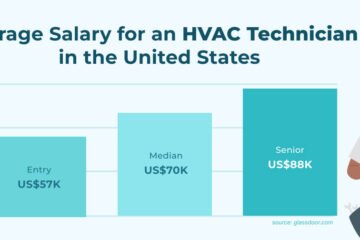
- Starting Salary: ~$45,000
- 5-Year Salary: ~$70,000+
Compared to a 4-year university degree where you might spend $100,000 to get a job paying $50,000, HVAC school pays for itself in less than a year.
However, the degree alone doesn’t get you the high pay—Certifications do. Employers pay for what you know, not where you went to school.
Conclusion: Invest Wisely
So, how much is hvac school? It costs as much as you let it. By choosing a community college, applying for hvac scholarships, and using modern study tools instead of expensive tutoring, you can enter the trade nearly debt-free.
The goal isn’t just to graduate; it’s to get licensed. Save your money for good tools, and let us help you handle the exams.
Ready to start your journey?
Prepare for your entrance exams and certifications without breaking the bank. Access our comprehensive question bank today.
📱 The Affordable Way to Pass
Why pay $200 for a textbook? Get unlimited EPA & NATE practice questions for the price of a lunch.


0 Comments