The HVAC Opportunity: Why Start Now?
You want a career that pays well, can’t be outsourced to AI, and keeps you active. You’ve looked at the trades, and HVAC (Heating, Ventilation, and Air Conditioning) is at the top of your list.
Now, you are scrolling through Indeed or Google, searching for hvac apprentice jobs, trying to figure out how to get your foot in the door.
Here is the good news: The industry is desperate for new blood. With thousands of baby boomers retiring, contractors are scrambling to find reliable people to train.
Here is the bad news: “Desperate” doesn’t mean they hire anyone. They are looking for people who show aptitude, reliability, and a willingness to learn.
If you want to land the best hvac apprentice jobs in 2026—the ones that lead to six-figure salaries—you need a strategy. In this guide, we will break down what an apprentice actually does, how to find the best companies (Union vs. Non-Union), and the “cheat code” to getting hired instantly.
📊 Are You Cut Out for the Trade?
HVAC isn’t just about turning wrenches; it’s about physics and logic. Take a quick aptitude quiz to see if you fit.
What is an HVAC Apprentice? (The Reality)
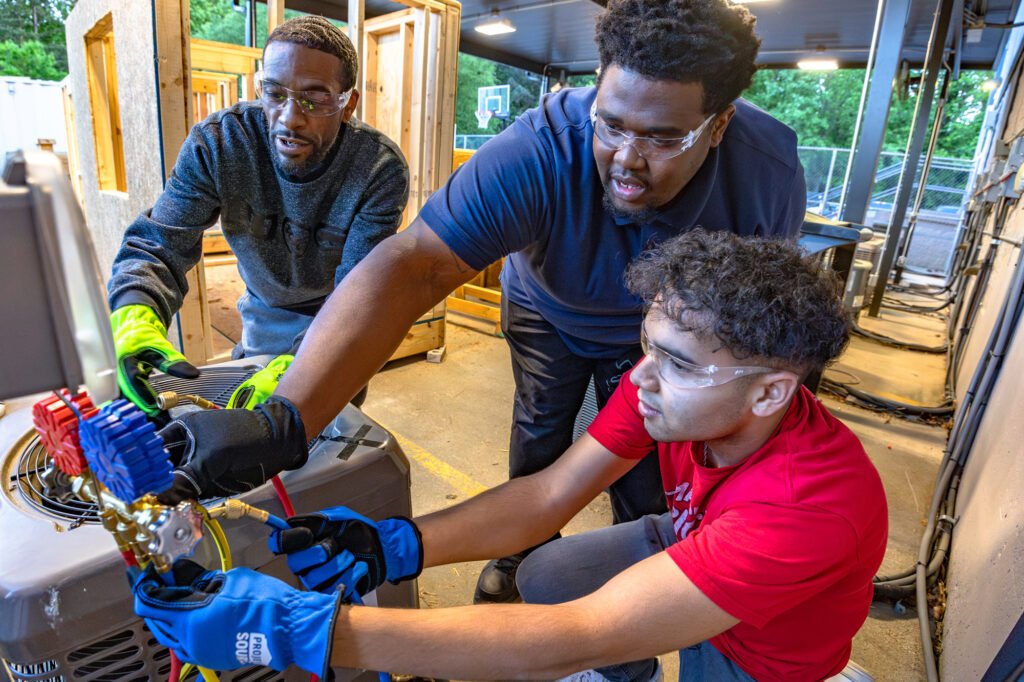
An hvac apprentice is an entry-level worker who is learning the trade under the supervision of a licensed Journeyman or Master Technician.
Think of it as a paid education. Instead of paying tuition to sit in a classroom, you are getting paid to learn on the jobsite.
Daily Duties: It’s Not Glamorous
Before you apply for hvac apprentice jobs, you need to know what you are signing up for. You won’t be troubleshooting complex boards on Day 1. Your job is to make the Lead Technician’s life easier.
Typical tasks include:
- The “Gopher”: Going for parts, carrying ladders, and hauling heavy compressors up stairs.
- The Cleaner: Washing condenser coils, vacuuming furnaces, and cleaning up the job site.
- The Second Pair of Hands: Holding copper lines while the Journeyman brazes, or feeding wire through conduit.
Pro Tip: The best apprentices anticipate what tool the Journeyman needs next and have it ready before they ask.
Where to Find the Best HVAC Apprentice Jobs
Not all apprenticeships are created equal. In North America, there are two main paths, and the hiring process is completely different for each.
1. The Union Path (UA Locals)
Unions (like the United Association) offer structured 5-year apprenticeship programs.
- Pros: Guaranteed raises, pension, excellent health insurance, and free schooling.
- Cons: Very competitive. You often have to pass a math test and wait on a list for months.
- How to Apply: Search for your local “JATC” (Joint Apprenticeship and Training Committee) center.
2. The Non-Union Path (Private Contractors)
This makes up the majority of hvac apprentice jobs in the residential market.
- Pros: Faster to get hired. If you show up today with boots and tools, you might start tomorrow.
- Cons: Benefits vary wildly. Training is often less formal (“sink or swim”).
- How to Apply: Do not just apply online. Walk into local HVAC shops at 7:30 AM with your resume in hand. Ask to speak to the Service Manager. This shows the kind of initiative they are looking for.
Is HVAC Hard? (The Honest Truth)
This is one of the most searched questions for beginners: Is HVAC hard?
The short answer is: Yes, but it gets easier.
- Physically: It is demanding. You will be in 130°F attics in the summer and freezing rooftops in the winter. You will lift heavy equipment and squeeze into tight crawlspaces.
- Mentally: This is where people get surprised. HVAC requires math, electrical theory, and physics. You need to understand superheat, subcooling, and low-voltage control circuits.
The Solution: The physical part you get used to. The mental part requires study. The apprentices who burnout are the ones who refuse to open a book (or an app) after work.
🛠️ The Hardest Part is the Theory
Don’t let the electrical math scare you. Practice ohm’s law and wiring diagrams in a stress-free simulator first.
HVAC Apprentice Salary: What to Expect in 2026
You aren’t doing this for free. While apprentices start low, the salary trajectory is steep.
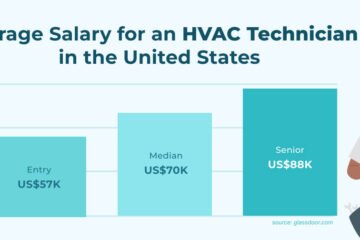
According to BLS data and current job listings, here is the realistic pay scale:
| Experience Level | Hourly Rate | Annual Salary |
| Year 1 (Green Helper) | $18 – $22 | $37k – $45k |
| Year 2 (Apprentice) | $22 – $28 | $45k – $58k |
| Year 3-4 (Senior Apprentice) | $28 – $35 | $58k – $72k |
| Licensed Journeyman | $35 – $50+ | $75k – $100k+ |
Note: Commercial and Refrigeration apprentices usually start 2-4 higher per hour than Residential apprentices.
How to Get Hired Fast (The Cheat Code)
When a service manager looks at a stack of resumes for hvac apprentice jobs, 90% of them look the same: “Hard worker, willing to learn.”
How do you jump to the top of the pile? Show up with certifications.
Even though you are new, you can get certified before you get hired. This tells the employer: “I am serious, I am teachable, and I am legal to work.”
The #1 Credential: EPA 608 Universal
Legally, you cannot handle refrigerant without this. If an employer has to pay for your class and wait for you to pass, you are a cost. If you already have it, you are an asset.
- What it covers: Safety, leak repair, and ozone depletion regulations.
- How to get it: You can study online and take a proctored exam.
Resource: The Ultimate EPA 608 Study Guide
The “Bonus” Credential: NATE Ready-to-Work
The NATE (North American Technician Excellence) program offers a “Ready-to-Work” certificate specifically for entry-level techs. It proves you know basic tools and safety. Having this on your resume puts you ahead of someone with a 2-year degree but no certs.
Conclusion: Start Your Journey
There has never been a better time to look for hvac apprentice jobs. The industry is recession-proof, AI-proof, and desperate for talent.
But don’t just apply blindly. Get your basic tools, study for your EPA 608, and walk into that interview with confidence.
Ready to stand out from the crowd?
Don’t wait for an employer to train you. Start preparing for your EPA and NATE exams today with our comprehensive practice bank.
📱 Get Certified Before You Apply
Use our app to pass your EPA 608 exam in days, not weeks. Walk into your interview with your license in hand.



0 Comments