Are you looking for a comprehensive nate certification practice test guide to ensure you pass your exam on the first try? You have come to the right place. In the competitive world of HVAC, experience is king. While the EPA 608 certification is a legal requirement, the NATE certification is the gold standard. According to NATE official data, certified technicians earn more.
According to industry surveys, NATE-certified technicians earn, on average, 10% to 20% more than their non-certified counterparts. They are preferred by high-end dealers and command higher trust from homeowners. However, achieving this “Gold Standard” is not easy. The pass rates for NATE exams are notoriously lower than the EPA 608 because the questions are scenario-based, requiring deep troubleshooting logic rather than rote memorization.
The most effective way to ensure you don’t waste your exam fee is by using a reliable nate certification practice test strategy. In this guide, we will break down the exam structure, provide realistic sample questions, and share study techniques to help you pass.
Why You Need a NATE Certification Practice Test Strategy
Many seasoned technicians walk into the testing center confident in their hands-on skills, only to fail the exam. Why does this happen?
The NATE exam doesn’t just ask “What tool is this?” It asks, “You have a system with high superheat and high subcooling; what is the most likely diagnosis?” It tests your ability to apply theory to complex, real-world problems under time pressure.
Relying solely on field experience often leads to “rule of thumb” answers, which are frequently incorrect in the precise world of textbook theory. A structured nate certification practice test routine helps you in three ways:
Identifying Knowledge Gaps
You might be a wizard at installation but weak on electrical theory. Practice tests highlight these weak spots immediately so you can focus your study time where it matters.
Understanding “NATE Logic”
NATE questions are famous for having two answers that look correct, but one is “more correct” based on specific conditions. Practice tests help you get used to this specific phrasing.
Understanding the NATE Exam Structure
To become NATE certified, you must pass two exams. You can take them in one sitting or separately, but you need both to earn the patch.

1. The Core Exam (Mandatory)
Every technician must pass the Core exam. It covers the foundational knowledge applicable to all HVAC trades.
- Format: 50 multiple-choice questions.
- Time Limit: 1.5 hours.
- Key Topics: Safety, Tools, Basic Construction, Using Basic Science (Heat/Matter), Electrical, and Basic Thermostat Circuitry.
2. The Specialty Exam (Choose One)
This focuses on your specific area of expertise.
- Format: 50 multiple-choice questions.
- Time Limit: 1.5 hours.
- Popular Tracks: Air Conditioning, Heat Pump, Gas Heating (Service or Installation).
Pro Tip: If you are new to the field, we recommend starting with the “Service” specialty, as it covers more troubleshooting scenarios which are valuable for your career growth.
Sample NATE Practice Questions (With Explanations)
To give you a taste of what to expect, here are a few sample questions similar to what you might find in a high-quality nate certification practice test.
Core Exam Sample Question: Electrical
Q: When measuring voltage across a closed switch in a 24V control circuit, what should the multimeter read?
A. 24 Volts
B. 0 Volts
C. Infinite Resistance
D. 120 Volts
Correct Answer: B (0 Volts)
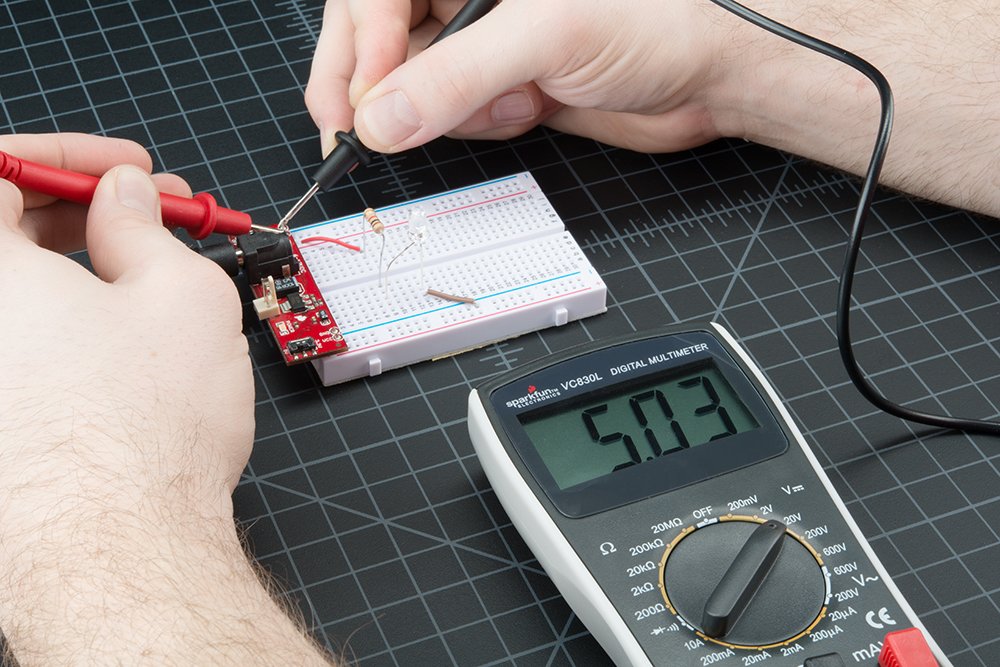
Explanation: A closed switch acts as a continuous wire. There is no potential difference (voltage drop) between two points on the same continuous conductor. If you read 24V across a switch, the switch is OPEN. This is a classic NATE question that tests your understanding of voltage drop.
Specialty Exam Sample Question: Air Conditioning
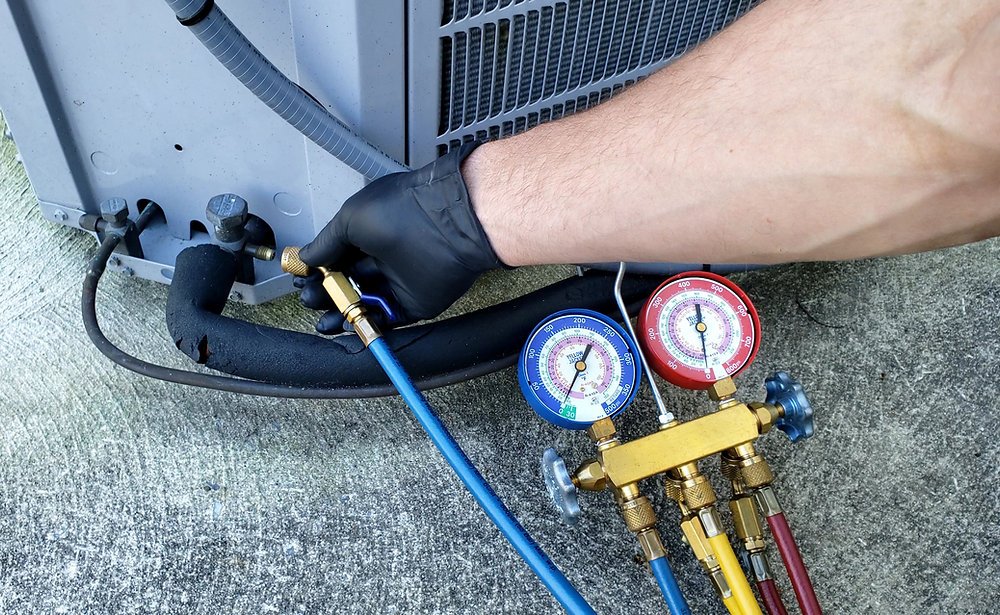
Q: A technician arrives at a call for a system not cooling. Gauges show low suction pressure and low head pressure. The superheat is high. What is the most likely cause?
A. Dirty condenser coil
B. Dirty evaporator coil
C. System is undercharged
D. Bad TXV
Correct Answer: C (System is undercharged)
Explanation:
- Low Head/Low Suction: Indicates a lack of refrigerant or mass flow.
- High Superheat: Indicates the evaporator is starving (not enough liquid refrigerant to absorb heat).
- If the evaporator were dirty (Option B), heat transfer would fail, usually causing low superheat (liquid floodback).
- If the condenser were dirty (Option A), head pressure would be high.
- Therefore, an undercharge (leak) is the correct diagnosis.
📝 Quick Check: Are you ready?
Take a short quiz to identify your weak spots in Electrical or Refrigeration.
Take 10-Question QuizHow to Study Effectively: The “Active Recall” Method
Reading a textbook from cover to cover is the least effective way to study for the NATE exam. To retain technical information, you need Active Recall.
This means testing yourself constantly. Instead of reading “A micron gauge measures vacuum,” you should use a nate certification practice test tool that asks you, “Which tool is required to verify a deep vacuum below 500 microns?” and forces your brain to retrieve the answer.
Steps to Success:
- Start with the Core: Don’t worry about the specialty until you are scoring consistently above 80% on Core practice exams. The Core exam contains a lot of electrical theory and safety questions that trip people up.
- Use Our Mobile App: We built HVAC Exam Master specifically for this. Our app uses AI to track your weak areas. If you keep missing questions about “Airflow,” the app will automatically serve you more Airflow questions until you master them.

- Simulate Exam Conditions: At least once a week, sit down in a quiet room and take a full 50-question practice test without looking at your notes. This builds the mental stamina needed for exam day.
Common Mistakes to Avoid on Exam Day
Even with a good study routine, simple mistakes can cause you to fail. Watch out for these traps:
Ignoring the “NOT”
Many questions ask “Which of these is NOT a safety procedure?” If you rush, you will pick the first safety procedure you see and get it wrong. Read every word carefully.
Overthinking Scenarios
Don’t add variables that aren’t in the question. If the question doesn’t mention an outdoor ambient temperature, don’t assume it’s hot or cold. Answer based only on the data provided in the text.
Skipping Safety Questions
You might think you know safety because you work safely. But do you know the OSHA regulation numbers or the specific ladder angles? NATE tests textbook safety standards, not just “common sense.”
Conclusion: Is NATE Certification Worth It?
Absolutely. While the process is rigorous, the rewards are tangible. You gain leverage for salary negotiations, you become a more efficient troubleshooter, and you earn a credential that stays with you for life (as long as you renew it).
Don’t let the fear of failure hold you back. With the right preparation and the right tools, you can pass the exam.
Ready to start practicing?
Stop relying on outdated PDF guides. Download HVAC Exam Master today to access over 1,000 updated questions, including dedicated modules for NATE Core and Specialty exams.
Free Online Practice Tools
Don’t rely on guesswork. Access our database of scenario-based questions for EPA & NATE.
No credit card required • Instant access



0 Comments