The Elite Tier of HVAC: Refrigeration
When most people think of the HVAC trade, they picture a technician fixing a broken air conditioner in a suburban backyard. While that is a great career, there is a specialized sector of the industry that often pays significantly more.
That sector is HVACR, and the role is the refrigeration technician. According to the EPA regulations, handling commercial refrigerants requires specific expertise.
In this guide, we will break down the salary potential, the critical difference between “comfort cooling” and “process refrigeration,” and the certifications you need to enter this elite field.
📊 Do You Have the Aptitude?
Refrigeration requires strong electrical and thermodynamic skills. Take a quick quiz to see where you stand.
HVAC vs. HVACR: Understanding the “R”
Many students assume HVAC and Refrigeration are the same thing. While they share the same underlying physics (thermodynamics), the application is completely different.
- HVAC (Comfort Cooling): The goal is human comfort. If an AC breaks in an office, people get hot and grumpy, but it’s rarely an emergency that costs millions.
- HVACR (Refrigeration): The goal is product preservation. If a supermarket rack system goes down, thousands of dollars of ice cream and meat spoil in hours. If a medical freezer fails, vaccines are ruined.
The “Urgency” Factor
Because the stakes are higher, a refrigeration technician is often treated like an emergency responder. You are the “SWAT team” of the mechanical world. This urgency translates directly into more overtime opportunities and higher hourly rates compared to standard residential installers.
Refrigeration Technician Salary Breakdown (2026)
Financial stability is the main draw for this career. Because the work is harder and the hours can be longer, the pay reflects that.
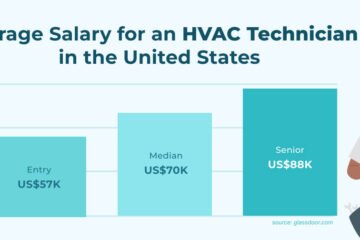
According to data from the Bureau of Labor Statistics (BLS) and industry salary surveys like Indeed, here is how the pay compares:
| Job Title | Focus Area | Avg. Hourly Rate | Avg. Annual Salary |
| Appliance Repair Tech | Home Fridges | $18 – $25 | $45,000 |
| Residential HVAC Tech | Home AC/Furnace | $24 – $35 | $58,000 |
| Refrigeration Tech | Commercial/Industrial | $32 – $50+ | $75,000 – $100,000+ |
Note: In union strongholds or high-cost-of-living areas, experienced commercial refrigeration journeymen often earn over $120,000 annually when factoring in on-call bonuses and overtime.
What Does a Commercial Refrigeration Tech Do?
If you choose this path, you won’t be changing filters in attics. Your daily environment will be commercial kitchens, supermarkets, factories, and hospitals.
1. Supermarket Rack Systems
This is the “big leagues.” Large grocery stores use massive parallel compressor systems (Racks) to cool hundreds of display cases. These systems use complex electronic controllers and require advanced troubleshooting skills.
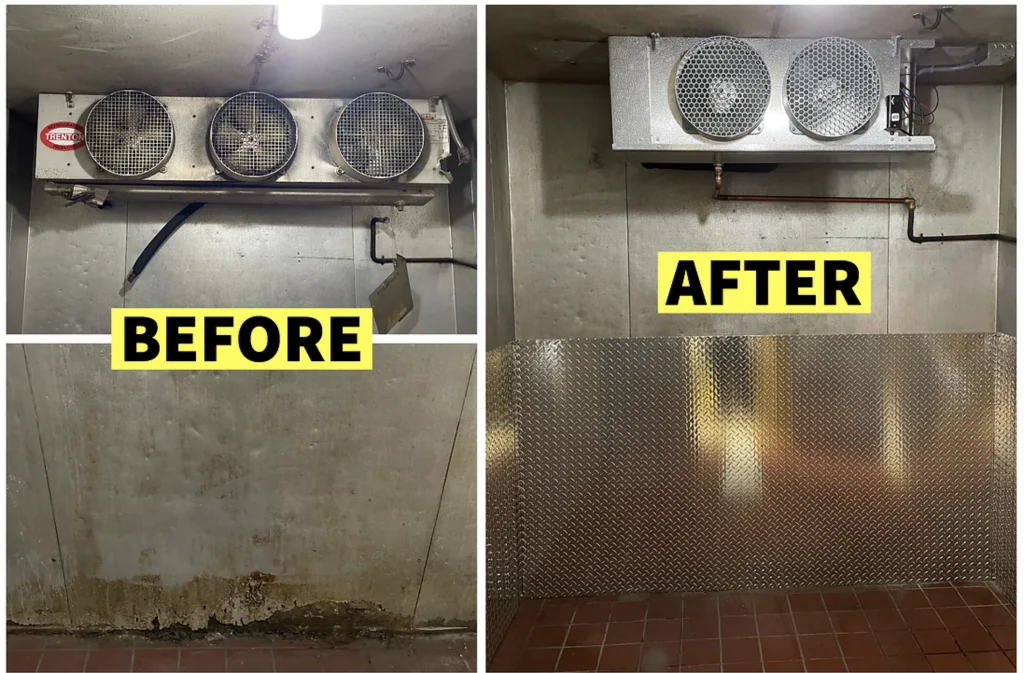
2. Walk-in Coolers & Freezers
Found in every restaurant and hotel. Common issues include evaporator icing, bad defrost timers, and failed solenoids.
3. Ice Machines
Every refrigeration technician has a love/hate relationship with ice machines. They involve plumbing, moving mechanical parts, and refrigeration cycles. They break often and require precise cleaning and adjustment.
The Barrier to Entry: Certifications You MUST Have
Because commercial systems hold hundreds of pounds of refrigerant, the legal requirements are stricter. You cannot simply “learn on the job” without certification.
1. EPA 608 Universal (Non-Negotiable)
While a residential tech might get away with a Type II certification, a refrigeration tech must have the Universal Certification.
- You will be working with high-pressure refrigerants (Type II) in rack systems.
- You might encounter low-pressure chillers (Type III) in industrial settings.
- You need to master the strict leak repair regulations for commercial refrigeration (20% leak rate threshold) vs industrial process refrigeration (30%).
Resource: The Ultimate EPA 608 Study Guide
2. NATE Certification (The Pay Booster)
Once you are established, getting NATE certified in “Commercial Refrigeration” or “Light Commercial Refrigeration” separates you from the entry-level techs. It proves you understand subcooling, superheat, and electrical theory at a master level.
🛠️ Test Your EPA Knowledge
Do you know the leak rate threshold for Industrial Process Refrigeration? If you get this wrong, you fail the EPA exam.
Essential Skills & Tools (The “Hard” Stuff)
Commercial refrigeration is less forgiving than residential AC. To succeed, you need to master specific tools and concepts.
Thermodynamics is Key
In residential AC, you might get away with “beer can cold.” In refrigeration, you need precise Superheat and Subcooling readings.
- Superheat: Ensures no liquid kills the compressor.
- Subcooling: Ensures a full column of liquid reaches the metering device.
- Note: If you can’t calculate these in your head, you will struggle.
Advanced Electrical Troubleshooting
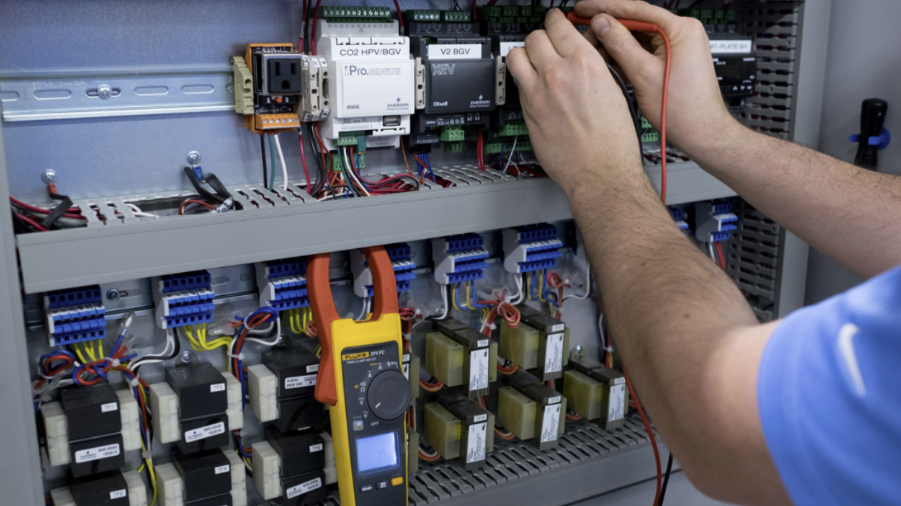
Refrigeration systems run 24/7/365. They use complex defrost clocks, pressure transducers, oil failure controls, and pump-down solenoids. You need to be an expert at reading wiring diagrams (schematics).
The Future: A2L and CO2 Refrigerants
The industry is changing fast. The phase-down of HFCs (like R-404A) means new systems are using:
- A2L Refrigerants: Mildly flammable options like R-454A.
- CO2 (R-744): Very high pressure, used in modern supermarkets.
- Propane (R-290): Highly flammable, used in self-contained cases.
A modern refrigeration technician must stay educated. If you stop learning, you become obsolete.
Conclusion: Is This Career Right for You?
Becoming a refrigeration technician is not for the faint of heart. It involves late nights, heavy lifting, and the pressure of saving thousands of dollars of product.
However, it is also one of the most secure jobs in the world. Robots can’t fix a compressor on a roof, and grocery stores will always need to keep food cold.
Ready to start your journey?
The first step is getting your certifications. You can’t touch a commercial system without your EPA 608 card. Stop guessing and start training with the most realistic simulation questions available.
📱 Turn Downtime Into Study Time
Access 1,000+ commercial refrigeration, EPA, and NATE questions directly in your browser. No downloads required.



0 Comments