Finding the Best States for HVAC Technicians
Are you looking to relocate your career to one of the highest paid hvac states in 2026? You are making a smart strategic move. In the skilled trades, your zip code dictates your paycheck just as much as your experience does.
While the HVAC industry is booming nationwide, the compensation is not distributed equally. A journeyman mechanic fixing commercial chillers in Alabama is taking home a vastly different paycheck than a technician doing the exact same job in Washington state. If you want to maximize your earning potential, you cannot just look at the hourly rate; you must analyze the complete hvac salary by state data.
In this deep-dive guide, we are going to look beyond the basic numbers. We will break down the states that pay the highest raw wages, adjust those numbers for the true cost of living, and reveal the specific certifications you need to dominate the job market in these high-income regions.
📊 Do You Have the Skills to Compete?
Top-paying states demand top-tier knowledge. Take a quick diagnostic quiz to see if your electrical and refrigeration skills are up to standard.
The Top Paying States for HVAC in 2026 (Raw Data)
Let’s start with the hard numbers. According to the most recent data published by the Bureau of Labor Statistics (BLS), the national median wage for Heating, Air Conditioning, and Refrigeration Mechanics is steadily climbing. However, the top paying states for hvac far exceed the national average.
Here are the states where the raw hourly rates and annual salaries are the highest:
| State | Average Hourly Rate | Average Annual Salary | Top 10% Earners |
| 1. Alaska | $42.50 | $88,400 | $115,000+ |
| 2. California | $37.80 | $78,620 | $108,000+ |
| 3. Massachusetts | $36.90 | $76,750 | $105,000+ |
| 4. Washington | $36.10 | $75,080 | $102,000+ |
| 5. Hawaii | $35.40 | $73,630 | $98,000+ |
Note: These are average numbers. Senior technicians and commercial refrigeration specialists in these states routinely clear the six-figure mark with overtime.
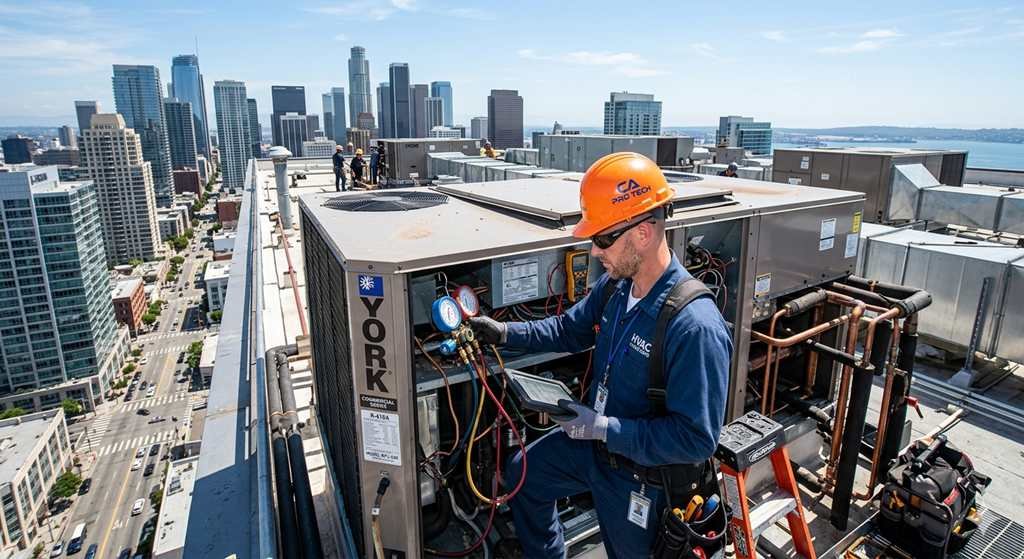
Why Do These States Pay So Much?
The highest paid hvac states share a few common characteristics:
- Extreme Climates: Alaska demands bulletproof heating systems. Failure is not an option when temperatures drop to -30°F. This creates a high demand for highly skilled boiler and furnace specialists.
- Union Presence: States like California, Massachusetts, and Washington have very strong union representation (like the United Association). Prevailing wage laws on government contracts artificially raise the baseline pay for all technicians in the area.
- Commercial Infrastructure: High-tech hubs (like Silicon Valley or Seattle) have massive data centers and clean rooms that require complex, million-dollar cooling systems.
The “Real Wage” Factor: Cost of Living Adjustments
Before you pack your tool bag and move to San Francisco or Anchorage, you must consider the “Real Wage.” Earning $85,000 a year sounds incredible until you realize that a one-bedroom apartment costs $3,000 a month and state income taxes eat up 10% of your paycheck.
When factoring in the Cost of Living (COL) index, the best states for hvac technicians often shift toward the Sunbelt and the Midwest.
The Hidden Winners: Texas, Florida, and Ohio
If you want your paycheck to stretch further, you need to look at states with no income tax and booming housing markets.
- Texas: The sheer volume of AC units in Texas is staggering. The summer heat means endless service calls and unlimited overtime. With zero state income tax and a lower cost of living than California, a $70,000 salary in Texas often provides a much higher quality of life than an $85,000 salary in Los Angeles.
- Florida: Similar to Texas, Florida offers zero state income tax and year-round cooling demand. Commercial refrigeration technicians thrive here due to the massive hospitality and restaurant industry.
- Ohio & Illinois: These Midwest states offer a fantastic balance. They experience harsh winters (heating demand) and hot summers (cooling demand), ensuring year-round work without the coastal living expenses.
For a deeper dive into how experience levels change your pay regardless of location, read our comprehensive HVAC Technician Salary Guide.
🛠️ Don’t Lose Your Edge
Moving to a new state? Make sure your technical knowledge is ready for the local licensing exams. Try a practice scenario now.
How Certifications Boost Your Salary in Any State
You cannot just show up in one of the highest paid hvac states and expect to be handed a $40/hour job. High-paying regions attract competitive talent. To stand out and command the top of the pay scale, your resume needs to be bulletproof.
1. The Federal Requirement: EPA 608 Universal
Regardless of whether you work in Alaska or Florida, you are legally required to hold an EPA 608 Certification to handle regulated refrigerants. If you want access to the best commercial jobs, a Type I or Type II isn’t enough. You need the Universal Certification.
- Study Resource: EPA 608 Universal Prep Guide.
2. The Pay Multiplier: NATE Certification
Employers in the top paying states for hvac use NATE (North American Technician Excellence) as a filter. A NATE-certified technician requires less supervision, generates fewer callbacks, and can be billed out to customers at a higher premium. In return, these technicians typically command a 10% to 20% higher hourly rate than uncertified peers.
- Study Resource: NATE Certification Study Materials.
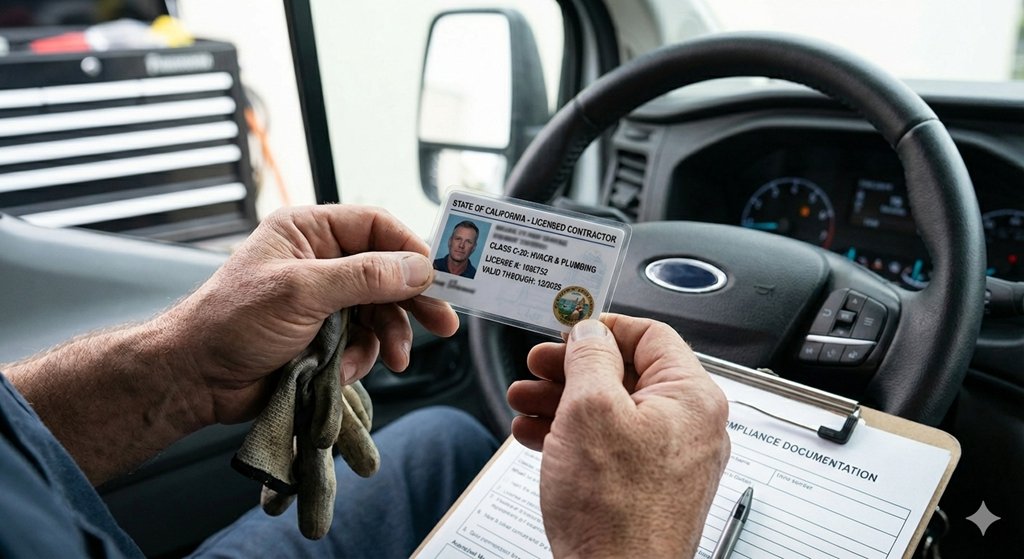
License Reciprocity: Can You Work Immediately?
If you are planning to relocate, there is a massive legal hurdle you must research: License Reciprocity.
Your EPA 608 is a federal license, meaning it is valid in all 50 states. However, your Journeyman License is issued by the state (or even the local city municipality).
If you hold a Journeyman license in Texas and move to California, California does not automatically recognize it. You will likely have to submit your work hours, apply to the state board, and sit for a brand new state-specific exam focusing on their specific Mechanical Codes (IMC/UMC) and Electrical Codes (NEC).
If you are moving to one of the highest paid hvac states, check their Department of Labor and Industries website immediately to see if they offer reciprocity agreements with your current home state. If they don’t, you need to start studying their local codes today.
Frequently Asked Questions
Q: Is it worth moving to another state for HVAC?
A: It depends on your current situation. If you live in an area with low demand and low wages, moving to a state with extreme weather (hot or cold) and a strong commercial sector can double your income. However, always calculate the cost of housing first.
Q: What specific field in HVAC pays the most?
A: Commercial and Industrial Refrigeration (working on supermarkets, chillers, and medical freezers) consistently pays higher than residential heating and air conditioning, regardless of the state you live in.
Q: Do union technicians really make more?
A: Generally, yes. Union technicians have a negotiated prevailing wage that is often higher than non-union shops, plus excellent health and pension benefits. However, getting into a union apprenticeship can be highly competitive.
Conclusion: Prepare Before You Pack
Your location is a massive multiplier for your income, but it is your skill set that ultimately dictates your worth. The highest paid hvac states offer incredible opportunities, but they also have strict licensing boards and demanding employers.
Whether you are staying put and negotiating a raise, or packing your tools to head across the country, passing your advanced certification exams is the only guaranteed way to secure top pay.
Ready to level up your career?
Don’t walk into a new job market unprepared. Brush up on your thermodynamics, electrical troubleshooting, and code compliance with our advanced testing simulator.
📱 Own Your Career Path
Access 1,000+ updated questions for EPA, NATE, and State Licensing exams directly in your browser. Pass your tests and demand top pay.



0 Comments