The Ultimate EPA 608 Study Guide (2026): Core, Type I, II and III Prep

How to Use This EPA 608 Study Guide
If you are searching for a comprehensive epa 608 study guide to help you earn your Universal Certification in 2026, you are in the right place.
There is a big difference between practicing for an exam and studying for it. If you jump straight into taking practice quizzes without understanding the underlying laws and physics, you are just memorizing the letters A, B, C, and D. When the testing center changes the wording of the question, you will fail.
Before you test your knowledge, you must build your foundation. This guide will walk you through the exact concepts you need to read, highlight, and memorize to comply with the Federal Clean Air Act regulations. We will break down the four sections of the exam, reveal the most important topics to review, and give you a foolproof study schedule.
📊 What is Your Baseline?
Before opening the book, take a quick diagnostic quiz to see which areas (Core, Type 1, 2, or 3) you need to study the most.
What Is the EPA 608 Exam?
If you are new to the HVAC industry, you can get a full overview of the laws on our main EPA 608 Certification Hub. But from a purely academic standpoint, here is what the actual exam looks like:
- The Format: The exam consists of 100 multiple-choice questions.
- The Breakdown: It is divided into 4 sections with 25 questions each (Core, Type I, Type II, and Type III).
- The Passing Score: You must score a 70% on each section to pass. That means you need 18 correct answers out of 25 in every category.
- The Catch: The exam is closed book. You cannot bring any notes, cheat sheets, or PT (Pressure-Temperature) charts into the testing room.
Core vs Type I, II and III: What You Need to Study
A good epa 608 prep guide breaks the material down into digestible chunks. You should not study all four sections at once. Treat them like four separate mini-exams.
1. The Core Section (The Foundation)
You cannot earn any certification (even just Type I) without passing the Core section. This section focuses heavily on environmental science and federal laws.
- What to Study: The ozone depletion process, the Montreal Protocol, the difference between CFCs, HCFCs, and HFCs, and general safety protocols (like never heating a refrigerant cylinder with an open flame).
- Next Step: Once you have read the material, verify your knowledge on our Core Practice Test page.
2. Type I (Small Appliances)
This covers equipment manufactured, charged, and hermetically sealed at the factory with 5 pounds or less of refrigerant (e.g., household refrigerators, window AC units).
- What to Study: Recovery techniques for systems with an operating compressor versus a non-operating compressor.
- Next Step: Drill the specific recovery percentages on our Type I Practice Test page.
3. Type II (High-Pressure Appliances)
This is the most critical section for residential and commercial HVAC technicians. It covers heat pumps, split systems, and commercial refrigeration.
- What to Study: Leak detection rules, the mandated leak rate thresholds (this was recently updated), and deep vacuum requirements.
- Next Step: Test your understanding of high-pressure systems on our Type II Practice Test page.
4. Type III (Low-Pressure Appliances)
This covers industrial chillers that operate in a vacuum. The physics here are the opposite of Type II.
- What to Study: Purge units, rupture discs, and how to leak-test a system by raising the pressure with hot water instead of nitrogen.
- Next Step: Lock in your chiller knowledge on our Type III Practice Test page.
The Most Important Topics to Review
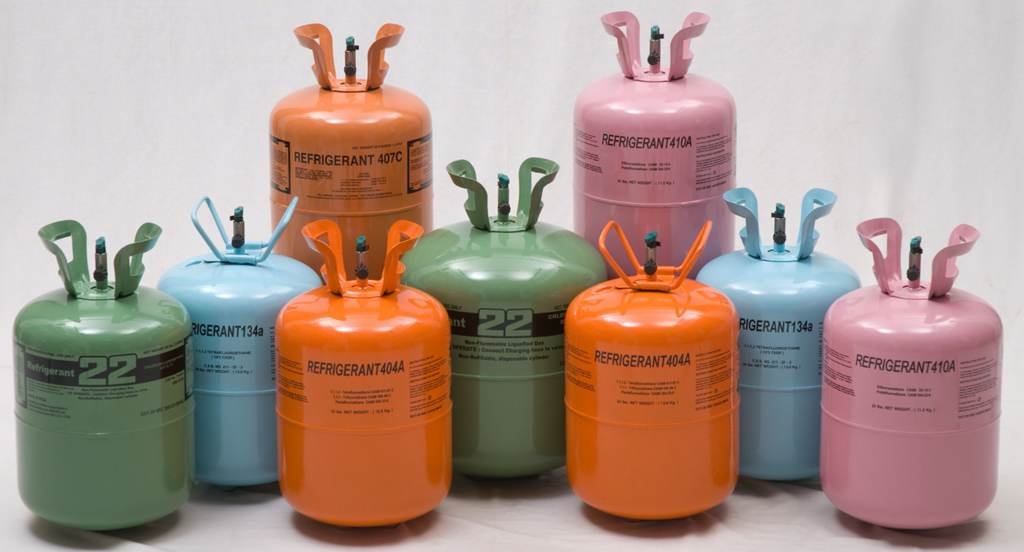
No matter which version of the epa 608 exam study guide you use, there are three specific topics that cause the highest failure rates. Get your highlighter out for these:
- The New Leak Rate Thresholds: The EPA updated the rules recently. You must memorize the annual leak rate limits that trigger mandatory repairs for systems containing 50+ lbs of refrigerant:
- Industrial Process Refrigeration: 30%
- Commercial Refrigeration: 20%
- Comfort Cooling: 10%
- Dates and Deadlines: The EPA loves history questions. You need to know the exact dates when venting CFCs became illegal (July 1, 1992) and when recovery equipment had to be certified (November 15, 1993).
- Vacuum Levels: Memorize the required inches of mercury (in. Hg) or millimeters of mercury absolute required for different recovery appliances before opening a system for repair.
Best Way to Study for the EPA 608 Exam
If you are wondering how to study for epa 608, the secret is separating “theory” from “data.”
For the Theory (How things work):
Read the manual slowly. Understand why we pull a vacuum (to remove moisture, not just air). Understand how a recovery machine works. If you understand the physics, you can logic your way through tricky questions.
For the Data (Dates, Percentages, Colors):
Use Flashcards. You cannot “logic” your way into knowing that a recovery cylinder is painted gray with a yellow top. You just have to memorize it. Write down every date, every leak rate percentage, and every vacuum requirement on index cards and run through them daily.
🛠️ Don’t Rely on Memory Alone
Flashcards only go so far. Ensure you can apply those memorized dates and numbers to real multiple-choice scenarios.
Study Schedule for First-Time Test Takers
Do not try to read the manual in one weekend. Cramming leads to a 60% score, which is a failing grade. We recommend a focused, 14-day study plan:
- Days 1-4: Read the Core manual. Highlight key dates.
- Days 5-6: Read the Type I manual. It is the shortest section.
- Days 7-9: Read the Type II manual. Spend extra time here, as it contains the most complex leak-rate math.
- Days 10-11: Read the Type III manual. Focus on the unique low-pressure physics.
- Days 12-14: Stop reading. It is time to test yourself.
When to Move From Study Guide to Practice Test
This is the most critical transition in your prep.
The moment you finish reading your epa 608 study guide, close the book. Do not re-read it. Reading it a second time gives you a false sense of security (the “illusion of competence”).
Instead, you must immediately transition to testing your knowledge. Taking a practice test exposes the gaps in your memory. It trains your brain to retrieve information in the exact multiple-choice format you will see on exam day.
When you are ready to make this transition, head over to our main Master EPA 608 Practice Test page. Take a full 100-question simulation. If you score below 70% in any section, open your study guide only to review the specific topics you missed.
Frequently Asked Questions (FAQ)
Q: What should I study for the EPA 608 exam?
A: Focus heavily on the Montreal Protocol dates, safety and shipping regulations for refrigerant cylinders, mandatory leak repair percentages, and the specific recovery vacuum levels required for Type I, II, and III appliances.
Q: Is the EPA 608 study guide enough to pass?
A: Usually, no. A study guide teaches you the facts, but it does not prepare you for the tricky phrasing of the exam. You must combine reading with active practice testing to ensure you understand how the questions will be asked.
Q: Should I study Core first or all sections together?
A: Always study Core first. You cannot earn a Type I, II, or III certification without passing the Core exam. The Core section lays the environmental and legal foundation for everything else.
Q: When should I start taking practice tests?
A: Start taking targeted, section-specific quizzes (like just Core questions) immediately after you finish reading that specific chapter. Do not wait until you have read the entire manual to start testing yourself.
Your Next Step to Universal Certification
You now have the roadmap. You know what topics to highlight, how to schedule your reading, and how to avoid the trap of passive learning.
Read your manuals, build your flashcards, and put in the hours. Once the foundation is built, it is time to put your knowledge to the ultimate test.
Ready to see if your studying paid off?
Transition from learning to practicing today. Access our complete database of exam-style questions to guarantee your passing score.
📱 Lock In Your Knowledge
Put the book down and test your active recall. Access 1,500+ updated questions covering Core, Type I, II, and III.


0 Comments