The Future is Here: Becoming an HVAC Technician in Green Technology
The HVAC industry is undergoing its biggest transformation in the last 30 years. If you are still relying entirely on your knowledge of traditional gas furnaces and R-410A refrigerants, your skill set is about to become outdated.
The push for electrification, government energy rebates, and strict environmental regulations are fundamentally changing how we heat and cool buildings. Today, employers are desperately searching for an hvac technician in green technology who understands the science behind eco-friendly systems.
Being a “green” technician doesn’t just mean you care about the environment; it means you possess advanced electrical and thermodynamic skills that command a much higher salary. In this 2026 guide, we will break down exactly what green HVAC entails, why it pays more, and the new green topics you must master to pass your upcoming certification exams.
📊 Test Your Green Tech Knowledge
Are you ready for the 2026 industry changes? Take our quick diagnostic quiz to see if you understand A2L refrigerants and Heat Pump logic.
What Exactly is “Green” HVAC?
When we talk about green technology in this trade, we aren’t just talking about planting trees. We are talking about highly complex, electronically driven mechanical systems designed to reduce carbon footprints and lower electrical consumption.
To thrive as an hvac technician in green technology, you must be proficient in three major areas:
1. The Rise of Heat Pumps (Electrification)
In many states, new construction laws are banning the installation of natural gas hookups. This means the traditional gas furnace is slowly being phased out. The replacement? Heat pumps.
Modern cold-climate heat pumps can extract heat from the outside air even when it is below freezing. Troubleshooting a heat pump requires a deep understanding of reversing valves, defrost control boards, and variable-speed inverter compressors.
2. Smart Controls and Building Automation
A high-efficiency unit is useless if it is controlled by a dumb thermostat. Green tech relies heavily on Direct Digital Controls (DDC) and Wi-Fi-enabled smart thermostats that learn homeowner habits. You need to be comfortable configuring software, connecting units to home networks, and understanding complex low-voltage wiring.
3. Solar-Ready and Geothermal Systems
While more niche, geothermal heat pumps (which use the stable temperature of the earth) and solar-assisted air conditioners are growing rapidly. Installing and servicing these requires specialized training beyond standard trade school curriculum.
Why Green Technology Pays a Higher Salary
Why should you spend your nights studying inverter boards and SEER2 ratings? Because it pays significantly better.
According to federal initiatives like the Inflation Reduction Act, billions of dollars are being poured into home energy upgrades. Homeowners are upgrading to green systems to claim tax credits. However, there are not enough qualified technicians to install and maintain them.
As a certified hvac technician in green technology, you transition from being a standard mechanic to a specialized diagnostic expert.
Here is a quick look at how specializing in green systems affects your earning potential:
| Technician Role | System Focus | Average Hourly Rate | Overtime Potential |
| Standard Service Tech | Gas Furnaces, Basic AC | $25 – $35 / hr | Moderate |
| Heat Pump Specialist | Inverter Systems, Dual Fuel | $32 – $45 / hr | High |
| Green Building / Automation Tech | DDC, Smart Controls, Geothermal | $40 – $60+ / hr | Very High |
As you can see, leaving behind outdated technology is the fastest way to boost your HVAC technician salary.
2026 EPA & NATE Exam Updates: The Green Shift
If you are preparing to take your certification exams, be warned: the tests have changed. The government and industry bodies have officially integrated green technology into the mandatory curriculum.
If you study using old materials from 2018, you will likely fail. Here are the two massive “green” updates you will face on the exams:
1. The Transition to A2L Refrigerants
Because traditional refrigerants like R-410A have a high Global Warming Potential (GWP), the <a href=”https://www.epa.gov/climate-hfcs-reduction” target=”_blank” rel=”dofollow”>EPA has mandated a phasedown</a>. The industry is shifting to mildly flammable “A2L” refrigerants like R-454B and R-32.
What you need to know for the exam:
- You must understand the new flammability safety protocols.
- You must know that standard recovery machines and vacuum pumps might spark and cannot be used on A2L systems unless explicitly rated for them.
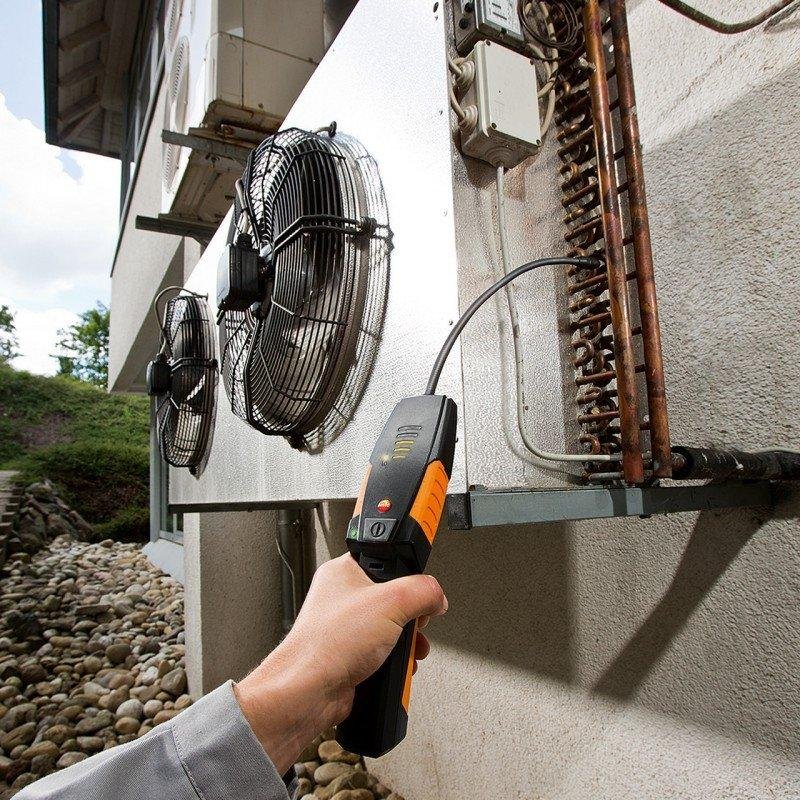
- Your EPA 608 exam will heavily test you on proper ventilation and leak detection limits for these new eco-friendly gases.
2. SEER2 Efficiency Standards
The Department of Energy recently updated how air conditioners are rated. SEER (Seasonal Energy Efficiency Ratio) has been replaced by SEER2, which requires stricter, more realistic testing conditions.
The NATE exams will test your ability to calculate airflow and static pressure to ensure systems actually meet these new, strict SEER2 ratings in the field.
🛠️ Don’t Fail on the New A2L Questions
The EPA and NATE exams now include tricky questions about mildly flammable refrigerants. Practice with our 2026 updated question bank.
How to Transition Your Career to Green Tech
If you are already working as a helper or an apprentice, how do you make the leap to become a green technology specialist?
- Master Electrical Theory First: You cannot fix a variable-speed inverter compressor if you don’t understand basic electrical theory. Use an HVAC practice test tool to drill yourself on reading schematics and using a multimeter.
- Get Heat Pump Certified: Many manufacturers (like Mitsubishi or Daikin) offer specialized classes for their VRF (Variable Refrigerant Flow) and mini-split systems. Take these classes.
- Stay Updated on Local Codes: According to the Department of Energy, local building codes are updating rapidly to accommodate green tech. If you are studying for your Journeyman License, focus heavily on the newest IMC energy compliance chapters.
Conclusion: Future-Proof Your Career Today
The days of a technician making a living solely by swapping out capacitors on 10-SEER single-stage air conditioners are coming to an end.
The future belongs to the hvac technician in green technology. By embracing heat pumps, smart controls, and eco-friendly A2L refrigerants, you position yourself as an irreplaceable asset to any HVAC company.
You don’t need to go back to a four-year college to learn this. You just need to update your study habits and focus on the right material.
Ready to upgrade your knowledge?
Our study platform has been completely overhauled for 2026. We have integrated the latest EPA refrigerant regulations and NATE heat pump scenarios so you can study the technology of the future, today.
📱 Study the 2026 Standards
Access 1,000+ updated questions covering A2L refrigerants, SEER2 standards, and Heat Pump diagnostics. Available instantly on your phone.

0 Comments