Gas Furnace Troubleshooting & Certification
Gas heating is the most dangerous sector of HVAC. A mistake with refrigerant costs money; a mistake with a gas furnace can cost lives (CO poisoning). That is why the NATE Gas Heating certification is so rigorous.
Unlike AC, furnace repair relies heavily on understanding the ignition sequence and safety circuits. The most searched topic, furnace flame sensor troubleshooting, is a guaranteed question on the exam.
Safety First
Combustion Analysis & CO venting are 30% of the exam score.
Electrical Logic
You must trace the path from the Thermostat (W) to the Gas Valve.
Interactive Furnace Questions
Test your knowledge on ignition systems.
Key Topic 1: Furnace Flame Sensors
The furnace flame sensor is the #1 cause of "furnace starts then stops" calls. It is a simple safety device that prevents raw gas from dumping into the house if no fire is present.
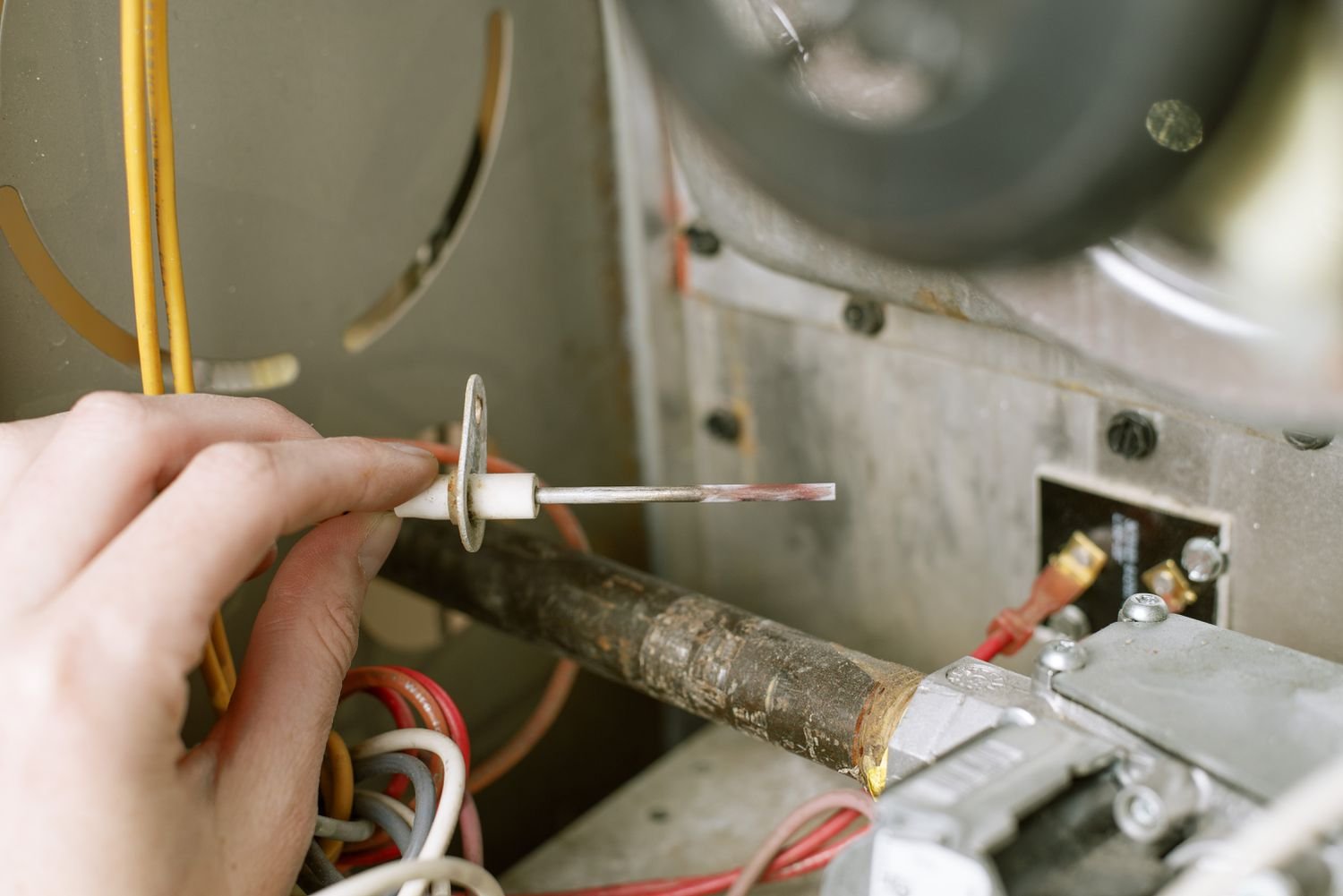
Cleaning a dirty flame sensor restores the microamp reading.
- How it works (Flame Rectification): The sensor sits in the flame. The flame conducts electricity and converts AC voltage to pulsating DC current.
- Testing: Connect your multimeter in series (µA setting). A healthy reading is typically between 2.0 and 6.0 microamps.
- Failure Mode: If the sensor is dirty (silica coating), the current drops below 1.0 µA, and the board shuts off the gas valve after 2-4 seconds.
Key Topic 2: Combustion Analysis
You cannot tune a modern furnace by looking at the flame color alone. You need combustion analysis tools. This is a major part of the Heating and Air Certification exam.
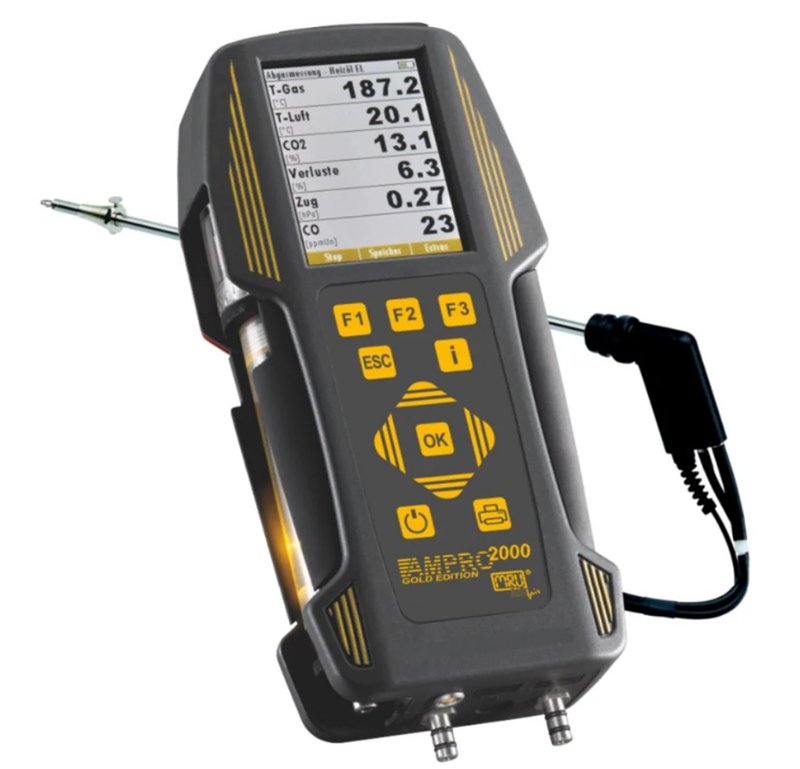
Key Metrics to Memorize:
- Carbon Monoxide (CO): Should be below 100 PPM air-free (ideal is < 50 PPM).
- Oxygen (O2): Typically 6% - 9% for natural gas.
- Excess Air: Needed to ensure complete combustion and prevent CO formation.
Key Topic 3: The Ignition Sequence
When a customer calls saying "gas furnace not igniting," you must follow the sequence of operation to find the broken link.
- Call for Heat: Thermostat sends 24V to W terminal.
- Inducer Motor: Starts to create draft.
- Pressure Switch: Proves draft (closes circuit). *Common failure point.*
- Igniter: HSI glows hot or Spark fires.
- Gas Valve: Opens for 2-4 seconds (Trial for Ignition).
- Flame Sensor: Proves flame exists. If yes, blower starts. If no, system locks out.
Common Furnace Questions
Common causes are a dirty flame sensor (shuts off after 3s) or a dirty air filter (limit switch trips due to overheating).
80% furnaces use metal venting (Category I). 90%+ condensing furnaces remove latent heat, produce water, and use PVC venting (Category IV).
Remove the sensor and gently scrub the metal rod with fine steel wool or a dollar bill. Do NOT use sandpaper as it leaves silica dust.
Yes, especially the venting tables and combustion chemistry sections. You need to know code requirements, not just repair skills.
Explore Other Certifications
Ready to Master Gas Heating?
Our NATE Gas Heating Practice Test covers flame rectification, venting tables, and combustion safety scenarios.
Start Practice Test