The Best HVAC Vocational Schools Guide 2026: How to Spot Red Flags
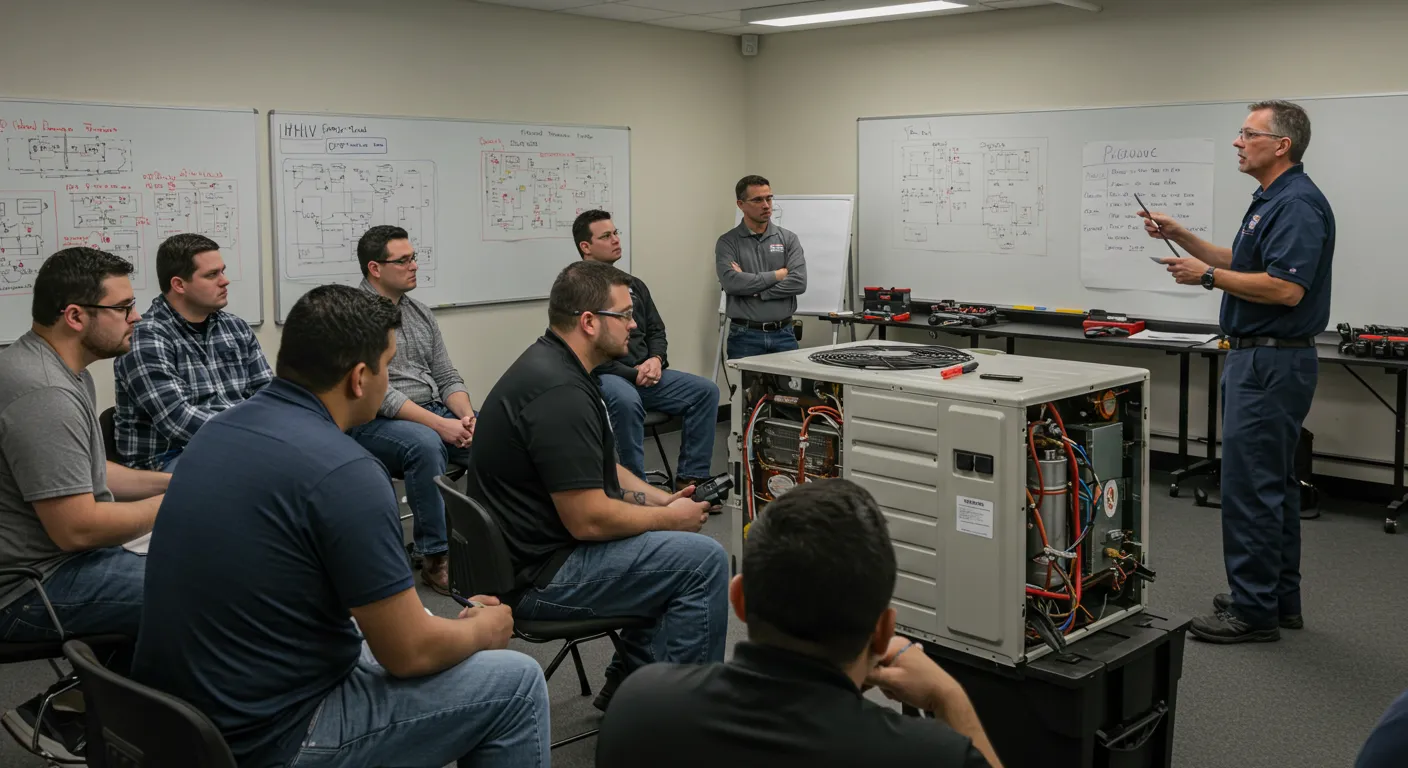
The Reality of HVAC Vocational Schools in 2026
Are you researching the best hvac vocational schools to jumpstart your career in the trades? You are making a smart choice, but you need to proceed with extreme caution.
The skilled trades are experiencing a massive labor shortage. Because of this, the market has been flooded with for-profit technical institutes promising to turn you into a master mechanic in a few months.
While many of these schools are fantastic, others are simply “diploma mills” designed to max out your student loans and leave you unemployable.
If you want to secure a high HVAC technician salary, the school you choose matters. In this 2026 guide, we will expose the four biggest red flags you must look out for when choosing a program, and how to ensure your education actually leads to a job.
📊 Test Your Baseline Knowledge
Before spending $15,000 on tuition, make sure you have the mechanical aptitude for the trade. Take a quick free quiz.
Red Flag #1: No National Industry Accreditation
The absolute biggest warning sign of a bad school is a lack of industry-specific accreditation.
When searching for hvac vocational schools, a recruiter might tell you, “We are accredited by the state.” That is not enough. State accreditation just means they are legally allowed to operate as a business. It means nothing about the quality of their training for hvac technician roles.
You want a school that is recognized by the industry giants. Look for these two specific badges on their website:
- PAHRA (Partnership for Air-Conditioning, Heating, Refrigeration Accreditation)
- HVAC Excellence
If a school has earned accreditation from HVAC Excellence or PAHRA, it means their curriculum, lab equipment, and instructor qualifications have been strictly audited by actual industry professionals. If a school lacks these, walk away.
Red Flag #2: Missing or Outdated “Live Labs”
You cannot learn how to braze copper, recover refrigerant, or troubleshoot a 240V contactor by watching PowerPoint slides.
A legitimate program must have a massive “Live Lab” area. When you tour the campus, ask to see the shop floor.
Here is what you should look out for:
- Outdated Equipment: Are they practicing on 25-year-old R-22 condensers? The industry has moved to high-efficiency systems and mildly flammable A2L refrigerants. Your training must reflect 2026 standards.
- The “Look but Don’t Touch” Rule: Some bad schools have 30 students crowding around one instructor working on a single furnace.
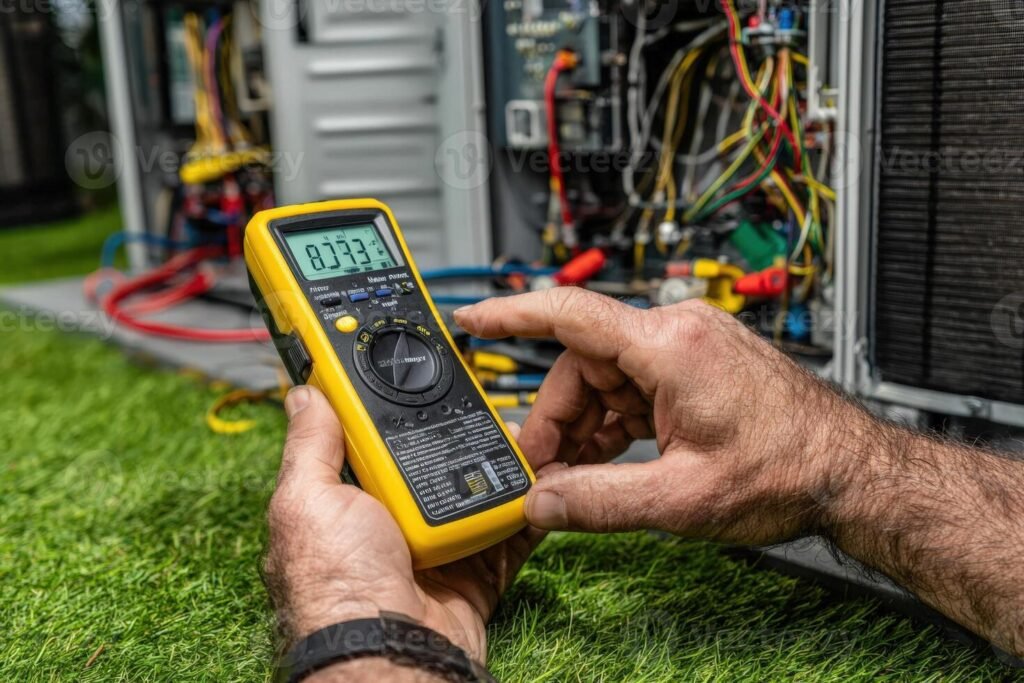
- The Requirement: Good hvac vocational schools will have dozens of live, powered-up units where you can actually put your hands on the wiring and use a multimeter.
Red Flag #3: They Don’t Prepare You for the EPA 608
This is the ultimate trap for beginners. You can graduate with a beautiful diploma, but if you do not have your EPA 608 Certification, you cannot legally handle refrigerants in the United States.
You are legally unemployable as a service technician without it.
Predatory schools will take your $15,000 tuition and then tell you to “go figure out the EPA exam on your own.”
The Standard You Deserve
High-quality hvac vocational schools build the EPA 608 prep directly into the curriculum. Better yet, they act as an authorized testing center, meaning you take the proctored exam right there in your classroom before you graduate.
If the school does not guarantee an opportunity to take the EPA test, do not enroll.
Related reading: Learn exactly what to expect on this mandatory federal exam in our Complete EPA 608 Hub.
🛠️ Self-Studying? Don’t Fail the EPA
If your school isn’t prepping you, you must prep yourself. Use our interactive simulator to master the EPA 608 leak rates and dates.
Red Flag #4: Vague Job Placement Rates
Trade schools are a business. Their product is you.
When you sit down with an admissions counselor, their job is to sell you on the program. They will tell you about the massive demand for workers.
While the Bureau of Labor Statistics confirms that HVAC jobs are growing much faster than average, you must ask the school for their specific Job Placement Rate.
How to Ask the Right Questions
- Do not ask: “Do your graduates get jobs?” (They will just say yes).
- Instead, ask: “Can you show me the documented placement rate for the graduating class of last year? What local contractors do you actively partner with?”
Good hvac vocational schools have a pipeline. Local commercial contractors and residential service companies will actually visit the campus to recruit the top students before they even graduate. If the school cannot name three local companies they work with, run away.
How to Evaluate the True Cost of Training
Once you find a school that passes all the checks above, you have to evaluate the cost.
As we discussed in our HVAC School Cost Guide, prices can range from $2,000 at a local community college to over $20,000 at a private fast-track institute.
Do not let a private school pressure you into taking out high-interest private loans. Always fill out your FAFSA first to see if you qualify for federal grants (money you don’t have to pay back).
Furthermore, ensure you know what is included in the tuition. Does it cover your EPA exam fee? Does it include your first set of hand tools and a multimeter? Hidden fees can ruin your budget quickly.

Conclusion: Protect Your Investment and Your Career
The demand for training for hvac technician roles has never been higher. By 2026, the industry is shifting heavily toward green technology, heat pumps, and smart building automation.
Choosing the right school is the foundation of your entire career.
Do your homework. Demand to see the labs, check for national accreditations, and ensure they prepare you for the mandatory federal exams.
If you are enrolled in a school that is moving too fast, or if you decided to skip school and learn as a helper in the field, you must take control of your own education.
Don’t rely entirely on an instructor.
Whether you need to pass your EPA 608, study for your NATE certification, or prepare for your Journeyman license, testing your knowledge with realistic simulations is the fastest way to learn.
📱 Ace Your Exams Faster
Don’t let a bad school hold you back. Access 1,500+ updated questions for the EPA, NATE, and Journeyman exams directly in your browser.


0 Comments