The Honest Guide: What HVAC Technicians Actually Do in 2026
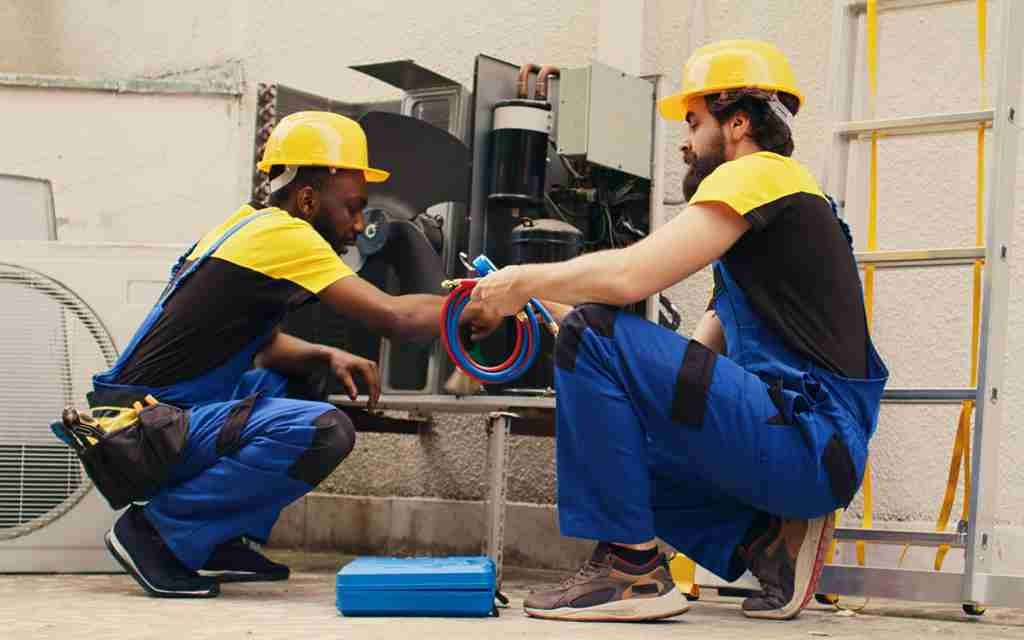
Beyond the Toolbox: The Reality of the Trade
If you are considering trading your desk job for a tool bag, you are probably trying to figure out exactly what hvac technicians do on a daily basis.
You know they fix air conditioners and furnaces. You know they make a very comfortable HVAC salary. But what does a random Tuesday in July actually look like? Is it all heavy lifting, or is there a lot of mental problem-solving involved?
The reality of this trade might surprise you. It is a unique blend of construction, customer service, applied physics, and electrical engineering.
In this honest 2026 guide, we are going to strip away the marketing fluff. We will walk you through a real “Day in the Life,” explain the critical difference between installers and service techs, and show you exactly what it takes to survive and thrive in this industry.
📊 Do You Have the Tech Mindset?
A huge part of the job is diagnosing electrical and mechanical failures. Take a quick quiz to see if you have the aptitude for it.
The Two Main Paths: Installers vs. Service Techs
When people ask what hvac technicians do, they often group everyone into one category. In reality, the industry is split into two very different career paths.
The Installer (The Muscle)
Installers are the heavy lifters. When an old unit dies, the install crew brings in the new equipment.
- The Work: They carry 200-pound compressors, crawl under houses to run ductwork, braze copper pipes, and set up the initial wiring.
- The Mindset: It is physically exhausting but mentally straightforward. You have a specific job to finish each day.
The Service Technician (The Brains)
Service techs are the detectives of the trade. They arrive when a system stops working and the homeowner is angry.
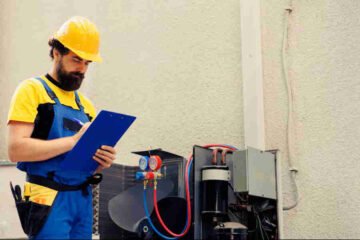
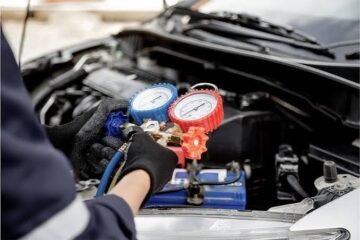
- The Work: They use multimeters, pressure gauges, and schematics to find the “invisible” problem. Is it a bad capacitor? A low-voltage short? A seized fan motor?
- The Mindset: It is less physically brutal than installing, but highly mentally taxing. Service techs typically earn higher hourly rates because their diagnostic skills are harder to replace.
A Day in the Life of a Service Tech
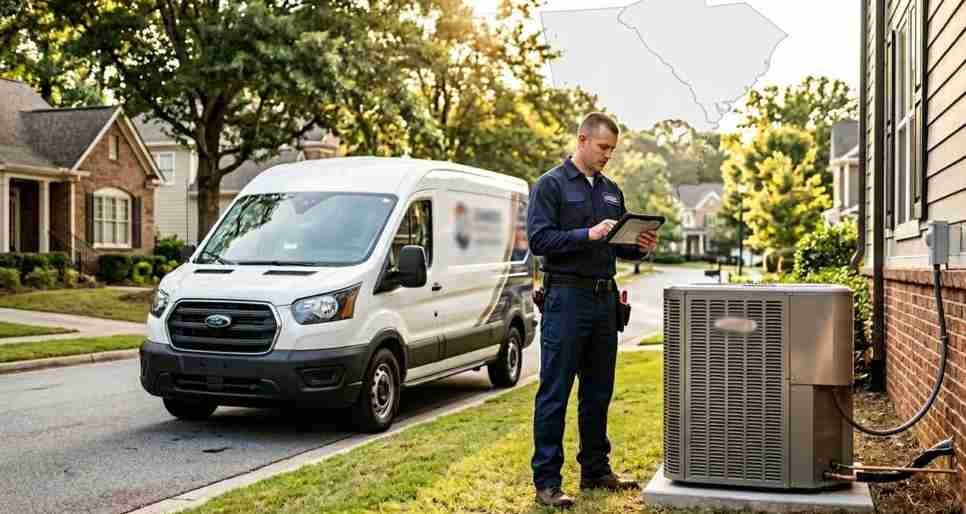
To truly understand what hvac technicians do, let’s ride along with a residential Service Technician during the peak summer cooling season.
7:00 AM: Dispatch and Supply House
Your day starts early. You wake up, check your iPad for your first dispatch, and grab a coffee. If you need specific parts (like a specialized blower motor), your first stop is the local HVAC wholesale supply house to pick up parts.
8:30 AM: The First Diagnostic Call
You arrive at a customer’s home. The AC is blowing warm air.
This is where the real work begins. You don’t just start replacing parts. You perform a systematic check:
- Check the thermostat to ensure it’s calling for cooling.
- Walk to the outdoor condenser and listen.
- Pull out your multimeter to test the dual-run capacitor.
You find a dead capacitor, replace it, verify the system is cooling properly, and write up the invoice.
1:00 PM: The “Attic Factor”
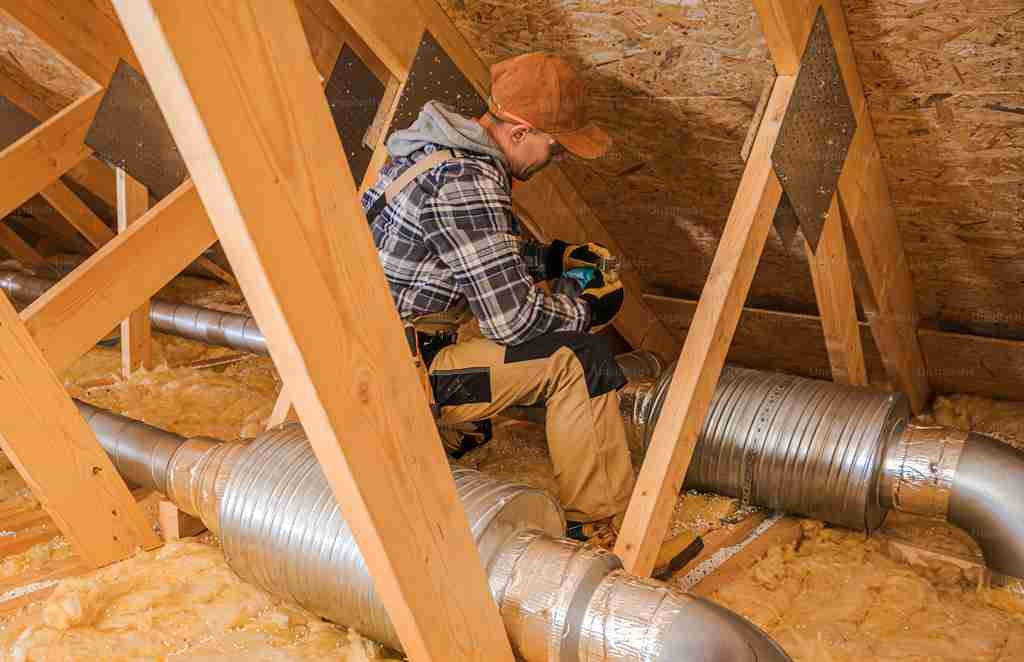
Not every call is easy. Your next job involves a frozen evaporator coil located in a 130-degree, cramped attic.
You must crawl through fiberglass insulation, being careful not to step through the ceiling drywall, just to reach the unit. You discover a severely clogged air filter and a refrigerant leak. This is the gritty, uncomfortable side of the job.
4:00 PM: The Final Call and Paperwork
You finish your last maintenance tune-up. A significant part of what hvac technicians do is customer service. You have to explain complex technical issues to homeowners in a way they understand, and occasionally offer them upgrades (like a new smart thermostat or UV light system).
The Hidden Reality of What HVAC Technicians Do
Most outsiders think this trade is just turning wrenches and cleaning metal coils.
The hidden reality of exactly what hvac technicians do is that they are practically “half electricians.” According to the OSHA electrical safety guidelines, working with live 240V circuits requires intense focus and theoretical knowledge.
If you want to survive in this industry, you have to be comfortable reading complex wiring diagrams and tracking down low-voltage shorts. If you are comparing HVAC vs. Electrician careers, know that both require excellent electrical troubleshooting logic.
🛠️ The Job is 80% Electrical
To be a successful service tech, you must understand circuitry. Practice real-world electrical faults with our interactive simulator.
The Dirty, The Dangerous, and The Rewarding
We won’t sugarcoat it. This job is not for the weak.
- The Bad: You will be exposed to extreme weather. You will work overtime during holidays when heat waves strike. You will occasionally deal with angry, sweating customers.
- The Good: You have absolute job security. A robot cannot crawl into a crawlspace and braze a copper pipe. Furthermore, the financial upside is massive. Once you earn your NATE certification and gain a few years of experience, a six-figure income is highly achievable without massive student loan debt.
How to Get Started in 2026
If you want to experience what hvac technicians do in the field, you have to take the first legal step.
You cannot legally handle the refrigerants inside air conditioners without holding an EPA 608 Universal Certification. This is a federal requirement.
Many people think they have to go to a 2-year trade school to get this card. You do not. You can study the regulations, leak rates, and safety codes on your own time and take the exam at a local supply house or online.
By taking the initiative to pass your EPA exam independently, you prove to service managers that you have the drive and the intelligence to succeed in their service vans.
Conclusion: Is It the Right Career for You?
Understanding exactly what hvac technicians do is the best way to determine if you are cut out for the trades.
If you want to sit in a cubicle, look elsewhere. But if you want a career where every day presents a new puzzle, where you get to work with your hands, and where your skills are directly tied to your paycheck, HVAC is an incredible path.
Are you ready to test the waters?
Before you buy expensive tools or enroll in an academy, see if you can wrap your head around the basic theory.
📱 Start Your Journey Today
Don’t wait to start learning. Access 1,500+ basic and advanced HVAC questions directly in your browser. Master the theory before your first day on the job.

0 Comments