The Best HVAC Tips for Summer: A Technician’s Guide to Peak Season
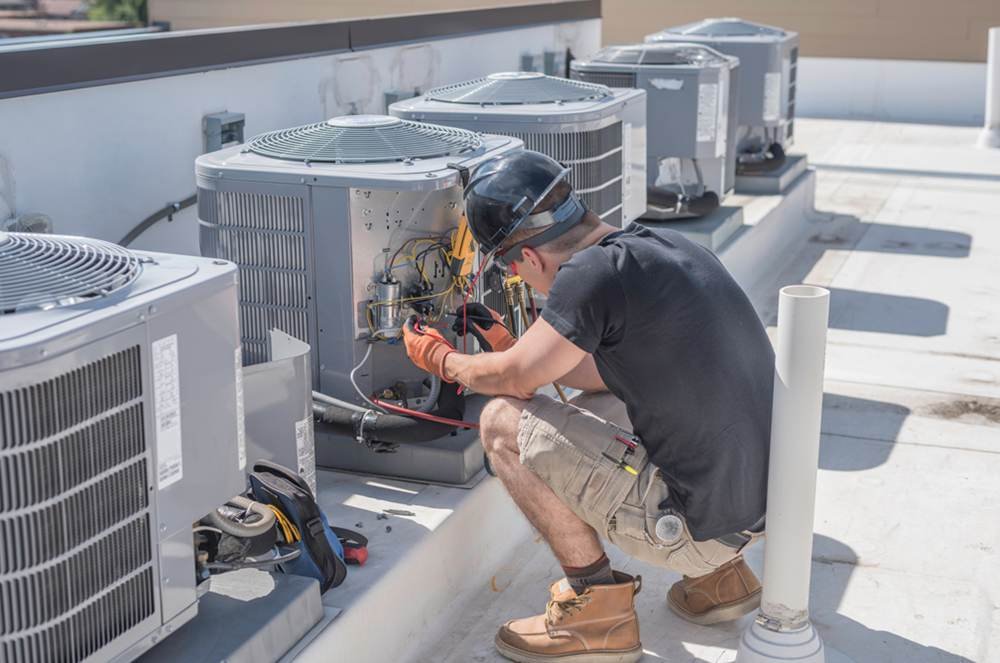
Welcome to the “Super Bowl” of the HVAC Industry
If you are a technician working in the trades, you already know the truth: Summer is when you make your money. When temperatures spike in June and July, air conditioners break down, dispatch boards light up, and the overtime pay flows in.
However, the summer rush is also brutal. Working 12-hour shifts in 100-degree heat will test your physical limits and your technical patience. If your diagnostic skills are slow, or if you rely on guessing instead of testing, the busy season will break you.
When apprentices ask veteran mechanics for the best hvac tips for summer, the advice is rarely about how to use a wrench. It is about how to troubleshoot efficiently, avoid costly callbacks, and stay safe in extreme environments.
In this 2026 technical guide, we will break down the top strategies every service technician needs to survive and thrive during the peak cooling season.
📊 Are You Ready for the Summer Rush?
Don’t let a tricky electrical fault slow you down. Take a quick diagnostic quiz to see if your troubleshooting logic is sharp.
Tip #1: Expect Electrical Failures First
When a customer calls and says “My AC is blowing warm air,” your first instinct might be to grab your refrigerant gauges. Stop.
One of the most crucial hvac tips for summer is to check the electricity first. Extreme heat destroys electrical components far faster than it causes mechanical leaks. During a heatwave, 80 percent of your “No Cool” calls will be electrical.
The Capacitor Killer
Dual-run capacitors are the number one casualty of the summer heat. As the outdoor ambient temperature rises, the condenser fan motor and compressor work harder, drawing more amps and generating intense internal heat.
- The Fix: Always test capacitors under load or with a high-quality multimeter set to capacitance. If the microfarad (MFD) reading drops outside the standard 6 percent tolerance, replace it immediately before it destroys the compressor.
Pitted Contactors
Air conditioning units cycle on and off constantly during the summer. This continuous arcing creates carbon buildup (pitting) on the contactor pads. Pitted contactors cause voltage drops, which starve the compressor of power. Check the voltage across the contactor on every single preventive maintenance call.
Resource: Want to master reading schematics? Check out our HVAC Electrical Troubleshooting Guide.
Tip #2: Stop “Gassing and Going”
It is Friday at 6:00 PM, it is 105 degrees outside, and the unit is low on Freon. The temptation is to just add a pound of refrigerant, collect the check, and go home. In the industry, this is called “gassing and going.” It is unprofessional, illegal under EPA Section 608 regulations, and it guarantees a callback.
Master Superheat and Subcooling
A top-tier mechanic does not guess the charge. One of the best hvac tips for summer diagnostics is to always calculate your target Superheat (for fixed orifice systems) or Subcooling (for TXV systems).
If a system is low on refrigerant, there is a leak. You must find it. Is it a leaky Schrader valve core? A rusted evaporator coil? Use an electronic leak detector or soap bubbles. Fixing the root cause makes you a trusted professional, not a parts-changer.
Resource: If you struggle with the math, review our complete Guide on How to Calculate Superheat.
Tip #3: The Power of Preventive Maintenance (PM)
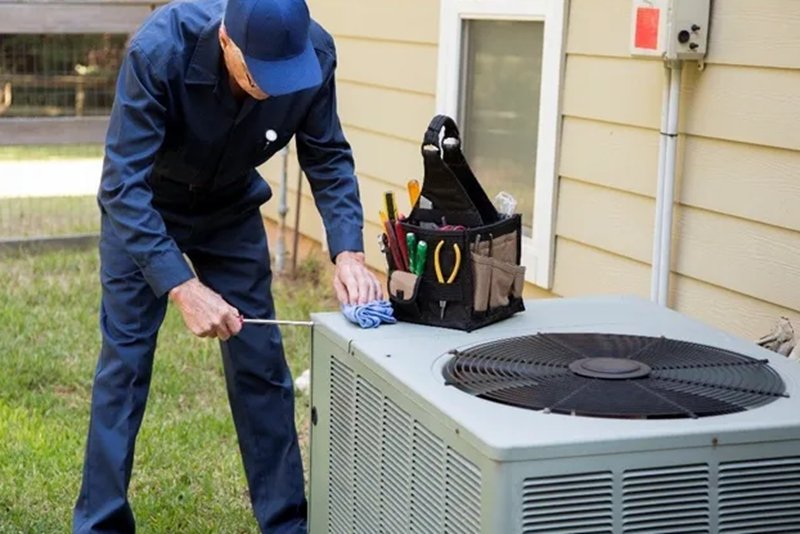
During the summer, your schedule will be packed with emergency breakdowns. But the smartest technicians use the early summer months to perform thorough Preventive Maintenance (PM) tune-ups.
Wash the Condenser Coils
A dirty condenser coil cannot reject heat properly. This forces head pressures to skyrocket, causes the compressor to overheat, and spikes the customer’s electric bill. Taking 15 minutes to properly wash the outdoor coil from the inside out is the easiest way to improve system performance.
Check the Temperature Split (Delta T)
Always measure the return air temperature and the supply air temperature at the indoor air handler. A healthy air conditioning system should have a temperature drop (Delta T) of roughly 18 to 22 degrees across the evaporator coil. If the split is only 10 degrees, you instantly know you have an airflow issue, a metering device restriction, or a refrigerant problem.
🛠️ Don’t Guess on the Job
If the Delta T is wrong, do you know what to check next? Practice diagnosing complex refrigeration and airflow faults in our simulator.
Tip #4: Protect Your Own Safety
We cannot share hvac tips for summer without talking about the most important tool in your van: your body.
Attics in places like Texas, Florida, or Arizona can easily reach 130 to 140 degrees in the mid-afternoon. Heat exhaustion and heat stroke are serious, life-threatening risks in this trade.
According to OSHA’s occupational heat exposure guidelines, technicians must actively manage their hydration and core temperatures.
- Hydrate Early: Drinking water after you get thirsty in the attic is too late. You must hydrate the night before and drink electrolyte solutions throughout the day.
- Pace Yourself: No service call is worth your life. If you feel dizzy, stop sweating, or get a severe headache, get out of the attic immediately and cool down in your service van.
- Schedule Smart: Try to schedule your brutal attic jobs (like evaporator coil replacements or ductwork repairs) for 7:00 AM, and save your outdoor condenser diagnostic calls for the hotter afternoon hours.
Tip #5: Upgrade Your Certifications Now
When the summer rush hits, you will not have time to study. You will be working, sleeping, and eating. That is it.
If you want to negotiate a higher hourly rate or move to a better commercial company, you need to secure your credentials before the busy season peaks.
Earning your NATE Certification proves to your service manager that you are a diagnostic expert, not just a parts-changer. Passing your federal EPA exams ensures you are legally compliant. Having these badges on your uniform gives customers confidence in your abilities when you walk through their front door.
Conclusion: Win the Busy Season
The summer season separates the rookies from the professionals. By following these hvac tips for summer, you can maximize your efficiency, reduce frustrating callbacks, and safely earn the massive overtime pay available in this industry.
Remember to test electricity first, calculate your superheat, wash those coils, and stay hydrated in the attic.
Want to keep your diagnostic logic razor-sharp?
The best technicians never stop training their brains. Stop relying on outdated PDFs and start using modern simulation tools to stay at the top of your game.
📱 Train Like a Master Technician
Access 1,000+ advanced diagnostic and electrical questions directly in your browser. Practice the exact scenarios you will see in the field and on the exams.


0 Comments