The Brutal Truth: Pros and Cons of HVAC Technician Careers in 2026
The Reality Check: Evaluating HVAC Careers
Are you weighing the pros and cons of hvac technician careers before making a major life change? You are making a smart decision by doing your research first.
The skilled trades are experiencing a massive resurgence. Young people are realizing that a four-year college degree often leads to crushing student debt and a cubicle job they hate.
HVAC (Heating, Ventilation, and Air Conditioning) is frequently praised as one of the best alternatives. It offers incredible job security, excellent pay, and the freedom of working outside an office. But let’s not sugarcoat it: this trade is not for the weak. It will test your physical and mental limits.
If you are trying to understand the real pros and cons of hvac, you need advice from people actually turning wrenches in the field. In this 2026 guide, we will break down the brutal truths of the industry, the amazing financial upside, and how you can position yourself to avoid the worst parts of the job.
📊 Do You Have the Right Mindset?
This trade requires strong mechanical logic and safety awareness. Take a quick diagnostic quiz from the Core exams to see if you are a natural fit.
The Pros: Why HVAC is a Top-Tier Career
Let’s start with the good news. There are massive advantages to choosing this path over a traditional desk job. Here are the biggest benefits.
1. High Salary and Zero Student Debt
You can enter this trade for a fraction of the cost of a university degree. You only need a few months of trade school, or you can join an apprenticeship and get paid to learn.
Once you are in the field, the earning potential is fantastic. According to the Bureau of Labor Statistics (BLS), the top 10% of mechanics earn upwards of $84,000 annually.
If you check our HVAC Salary Guide, you will see that commercial technicians and licensed journeymen routinely clear six figures with overtime.
2. Unbeatable Job Security
Artificial Intelligence (AI) can write code and generate images, but AI cannot crawl into a 130-degree attic to braze a leaking copper pipe.
Your job cannot be outsourced to a computer or sent overseas. As long as humans need heating in the winter and air conditioning in the summer, you will always have a job. The demand heavily outweighs the supply of workers.
3. Freedom and Independence
If you hate the idea of a micromanager breathing down your neck in an office, you will love HVAC. Once you become a service technician, your van is your office.
You get your dispatch assignments, drive to the location, solve the puzzle, and move on. You are largely independent, working with your hands and interacting with different people every day.
The Cons: The Brutal Reality of the Trade
Now for the reality check. When weighing the pros and cons of hvac technician roles, you must be honest with yourself about the physical toll.
1. Extreme Working Conditions
Air conditioners do not break on nice, 70-degree spring days. They break when it is 105°F outside.
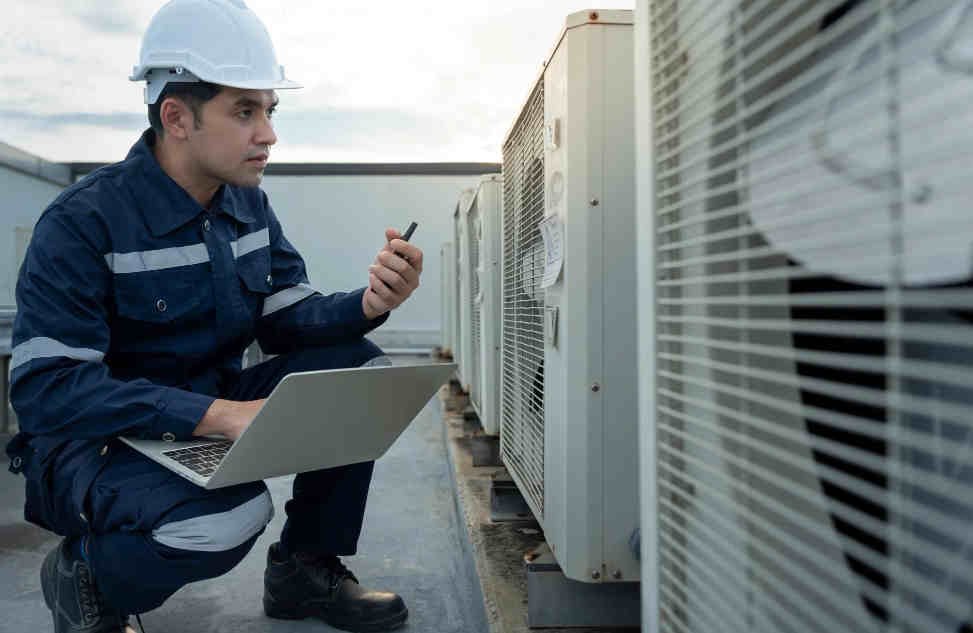
You will spend your summers working in suffocatingly hot attics, dealing with fiberglass insulation, spiders, and tight crawlspaces. You will spend your winters freezing on commercial rooftops trying to fix a gas furnace.
According to OSHA heat exposure guidelines, the risk of heatstroke in this trade is very real. You must be physically and mentally tough.
2. The Physical Toll on Your Body
This is not a gentle career. You will carry 50-pound tanks of refrigerant up extension ladders. You will spend hours kneeling on concrete or contorting your body to reach a control board.
If you do not take care of your knees, your back, and your diet, your body will break down by the time you are forty.
3. Long Hours and “On-Call” Shifts
HVAC is an emergency-driven industry. When a commercial freezer goes down on a Friday night, someone has to fix it.
Most companies have a mandatory “on-call” rotation. This means you will occasionally have to work weekends, late nights, and holidays. The overtime pay is incredible, but it can put a severe strain on your personal and family life.
🛠️ Work Smarter, Not Harder
The best way to escape the brutal physical labor is to become an expert diagnostician. Practice your electrical troubleshooting logic now.
The Cheat Code: How to Avoid the Worst Cons
Here is the secret that most trade schools won’t tell you. You do not have to break your back forever.
When evaluating the pros and cons of hvac, you must understand the difference between an Installer and a Service Technician.
- Installers do the heavy lifting. They haul the equipment, run the heavy ductwork, and do the physical grunt work.
- Service Techs use their brains. They show up with a small tool bag and a multimeter, diagnose the electrical or refrigerant failure, and fix it.
If you want to save your knees and make more money, you must become a Service Technician. And to do that, you need certifications.
Get Certified Quickly
You cannot legally handle refrigerant without passing the EPA 608 Certification. Get this done immediately.
After you have some experience, you should aggressively study for your NATE Certification. NATE proves to employers that you understand advanced electrical schematics and thermodynamics. Once you hold a NATE badge, you transition from relying on your muscles to relying on your mind.
Conclusion: Is the HVAC Trade Worth It?
Reviewing the pros and cons of hvac technician careers comes down to your personal grit.
If you are afraid of getting dirty, hate sweating, and want a predictable 9-to-5 schedule, do not enter this trade.
However, if you are a problem solver who wants guaranteed job security, zero student debt, and the potential to start your own highly profitable business one day, there is no better industry to join.
The physical labor is the price of admission. The mental mastery is what makes you wealthy.
Ready to start training your brain?
Don’t wait until you are stuck in a hot attic to realize you don’t understand how to read an electrical diagram.
📱 Start Earning Your Badges
Access 1500+ updated questions covering the exact topics found on the EPA 608 and NATE certification exams. Escape the heavy lifting today.

0 Comments